


How to Photograph Your Shih Tzu for a Custom Portrait
Flat faces, flowing fur, dark eyes hiding behind a fringe — shih tzus are tricky to photograph. Here's how to get a reference photo that works.
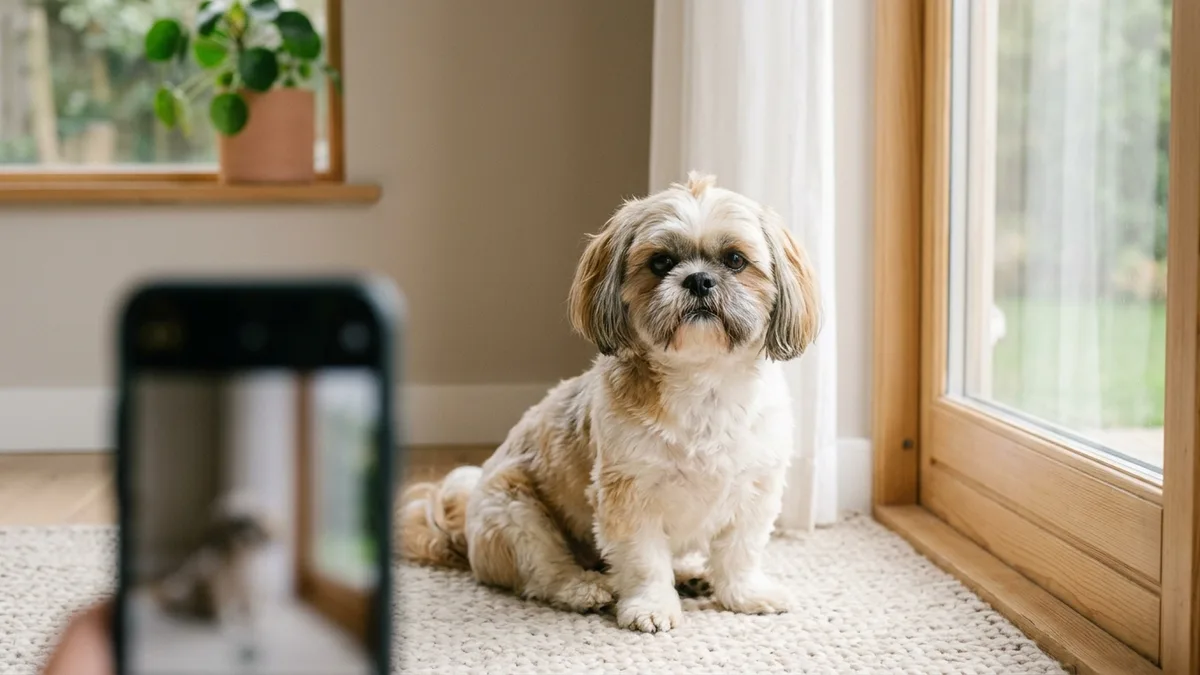
How to Photograph Your Shih Tzu for a Custom Portrait
The shih tzu is one of the most photogenic dogs there is, right up until you point a phone at one. That flat face, the flowing coat, the dark eyes tucked behind a curtain of silky hair — all the things that make them so charming are also the things that make getting a clean reference photo genuinely tricky.
At MaginePaw, our artists work through six rounds of painting, with an automated likeness check at each stage, to make sure every portrait captures your specific dog. The finer your reference photo, the finer the result. You don't need professional equipment — a smartphone in good light, with your dog's face clearly visible, is entirely sufficient. These tips will get you there.
Light is everything, and natural light is free
The biggest single upgrade you can make to any pet photo is moving near a window. Harsh overhead light from lamps or ceiling fixtures throws deep shadows across a shih tzu's flat face, making the nose look pushed in and the eyes appear small. Natural daylight from the side — a large window on a bright but overcast day — wraps around the face evenly and brings out the texture of the coat without blowing out the highlights.
Position your shih tzu a few feet from the largest window in your home, with no direct sun hitting them. Overcast days are genuinely better than sunny ones for this kind of close-up work. If you're shooting outdoors, aim for early morning or late afternoon, when the light is soft and low. Midday sun in summer creates strong shadows under the brow ridge that can make a flat-faced dog look like an entirely different animal.
Get down to their level
Most pet photos are taken from above, because that's where phones end up when we're standing. Photos from above compress the face and lose the height of the forehead and the prominence of those big dark eyes. For a portrait, you want the artist to see the face the way your dog's friends on the street see it.
Crouch or lie on the floor to get your camera at roughly the same height as your dog's face. This changes everything: the eyes open up, the coat falls naturally, and the dog fills the frame in a way that gives an artist real information to work with. As a bonus, you usually get a wall or floor behind the dog rather than ceiling clutter, which makes for a cleaner background automatically.
Managing the hair
A shih tzu with a full, untouched face of hair can still make a wonderful portrait — but you need both eyes clearly visible. If the fringe is partially covering the eyes in a way that makes it hard to tell exactly where they are, that ambiguity will carry into the finished painting.
If your dog wears their hair long and loose, take your photos right after a gentle brush-through, or use a small clip or hair tie to lift the fringe clear of the face for a few minutes. The portrait can still celebrate the full coat — you're just making sure the face is legible beneath it. If your shih tzu has a shorter puppy cut, this isn't a concern.
Pay attention to the muzzle area as well. Shih tzus typically have a lot of hair around the mouth and chin, and this area can fall into shadow if the light isn't quite right. A bit of fill light from the window side will keep the whole face readable, from ear to muzzle.
Getting your dog's attention
The ideal portrait photo has the dog looking straight at the camera, expression relaxed and curious, ears slightly forward. Getting that from a shih tzu who has better things to do takes a little strategy.
Hold a squeaky toy just above the camera lens. Try an unusual sound — a soft whistle, a gentle kissing noise, or your dog's name spoken in a pitch they haven't heard before. You typically get about two seconds of full alert attention before they glance away, so switch to burst mode and be ready the moment you make the sound.
Treats work for attention, but they create a subtle problem: dogs who know food is coming often get a slightly strained, nose-forward expression as they track the smell. Shoot a burst in that moment, then keep shooting as they relax back to neutral. The best frame is usually the one just after the anticipation fades, when the expression is calm and bright rather than hungry and focused.
Expect to take twenty or thirty photos to get three or four genuinely usable ones. That's completely normal. Look for frames where both eyes are fully visible, the head is upright, and the expression is easy rather than tense.
What to shoot and what to skip
For a face-focused portrait — the most popular choice, and what you'll see across all twelve styles at /styles on maginepaw.com — frame your dog from just below the chest up, with a bit of room above the ears. The face should fill most of the frame without anything being cropped. About eighteen inches of shooting distance tends to be right.
Avoid extreme close-ups where you can see individual hairs. Your artist needs to see the relationship between the eyes, nose, and mouth to get the likeness right. And avoid pulling back so far that your dog takes up only a small portion of the photo — tiny subjects produce soft, detail-poor results.
For a full-body portrait, step back until you can see the dog from nose to tail with a bit of breathing room on all sides. Make sure the paws are fully in frame. Shih tzus have particularly expressive toe-floof that often becomes one of the most charming details in a finished piece.
On backgrounds: simple works best. A solid wall, a patch of grass, a wooden floor. Busy patterns or cluttered rooms can confuse the boundary between dog and background, especially with lighter coats. Light-colored dogs tend to read best against something slightly darker; dark or red coats benefit from a light neutral behind them.
Try the free preview before you commit
Once you have a few solid candidates, upload them through maginepaw.com and you'll receive a free watermarked preview of your portrait before placing any order. This is the most reliable way to figure out which photo produces the result you actually want — you can see exactly how your dog's markings and coloring translate into the painted style you've chosen.
If the preview shows the eyes aren't coming through as clearly as you'd like, or the face looks softer than expected, try a different photo with better light on the face. The preview makes everything adjustable before anything is final, which takes all the guesswork out of choosing a reference image.
The six rounds of painting and automated likeness checks mean the finished portrait will be close regardless. But seeing the preview from your own specific photo gives you the confidence to move forward knowing it's right.