Shop by style
Legends & history
Featured


See them painted before you pay
One free preview, no card needed — then pick the styles you love.
From regal longhairs to velvet shorthairs — find your cat among 60 breeds.
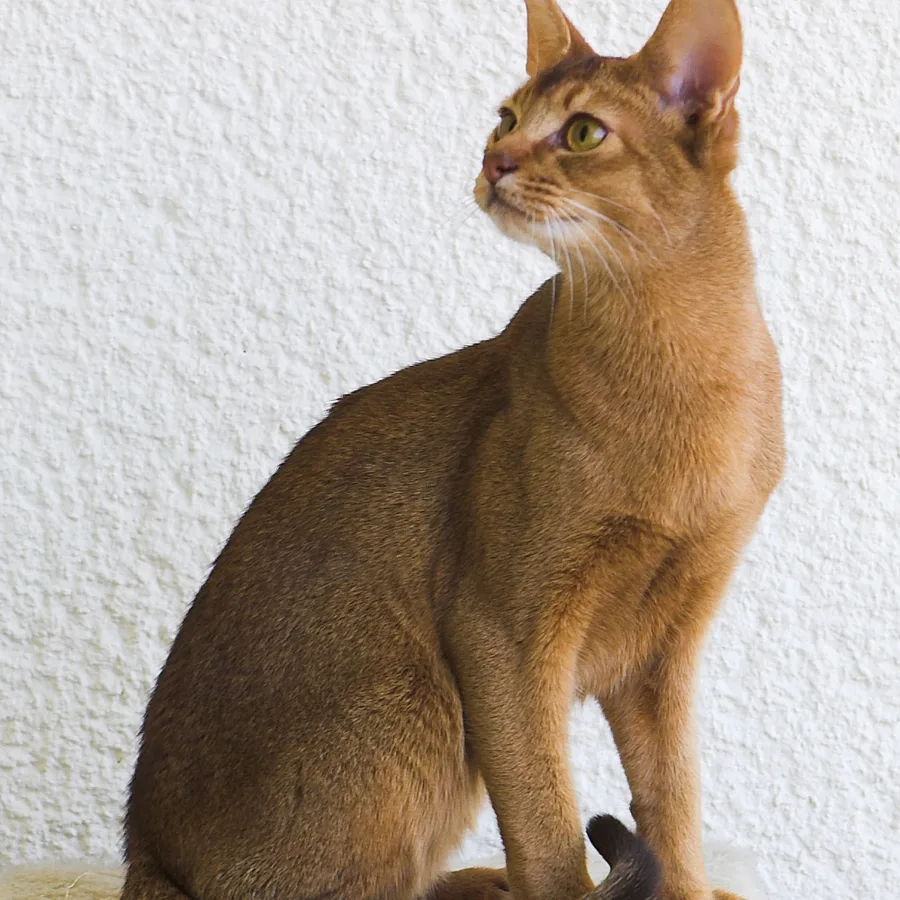
One of the oldest known cat breeds, famous for its warm ticked coat and dog-like devotion to its people.
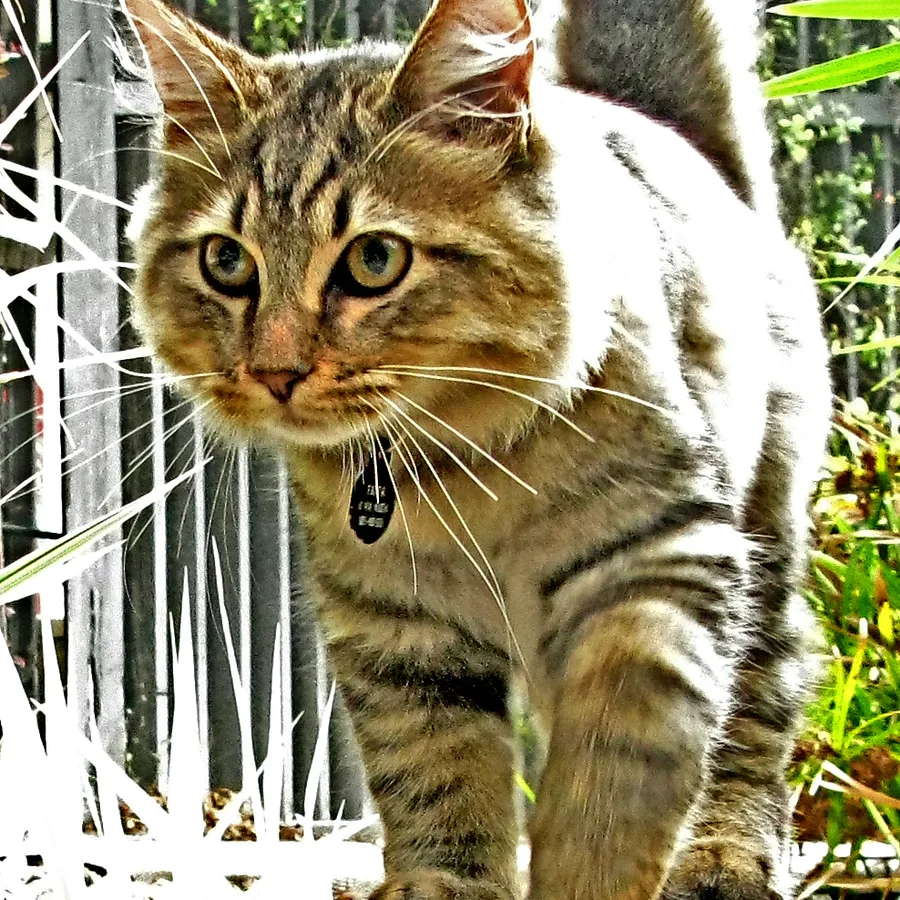
Known for its naturally short, expressive tail and a wild bobcat-like appearance paired with a gentle temperament.
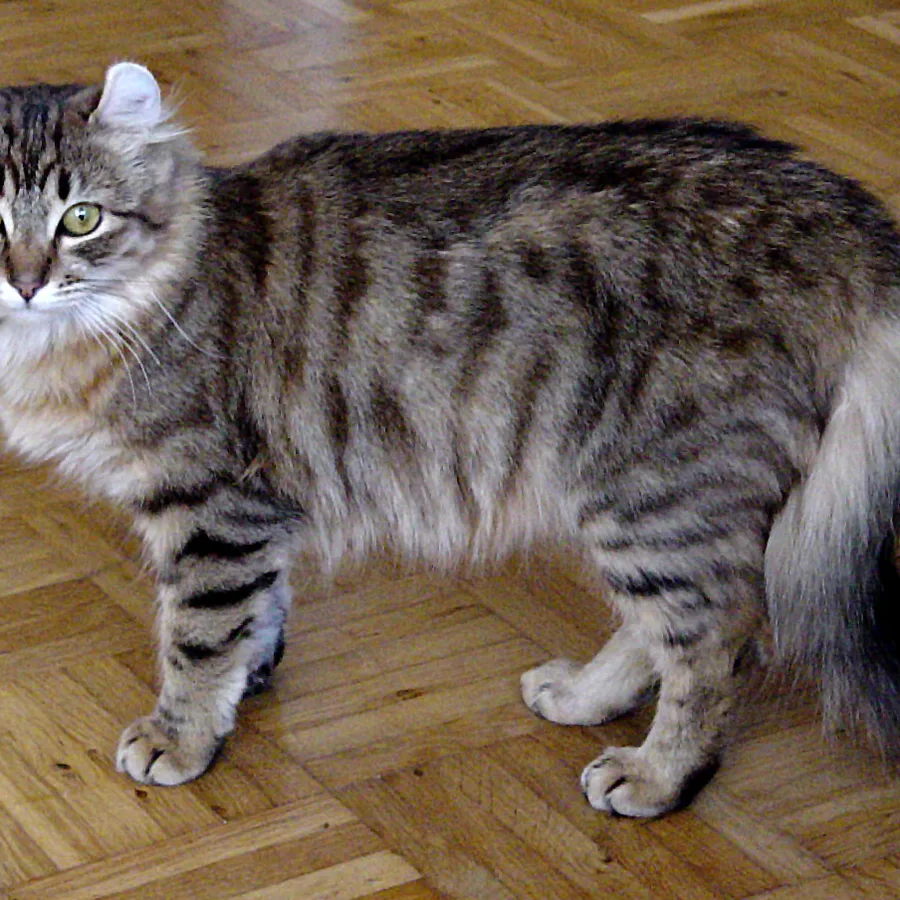
Instantly recognizable for its backward-curling ears, a spontaneous mutation first discovered in California in 1981.
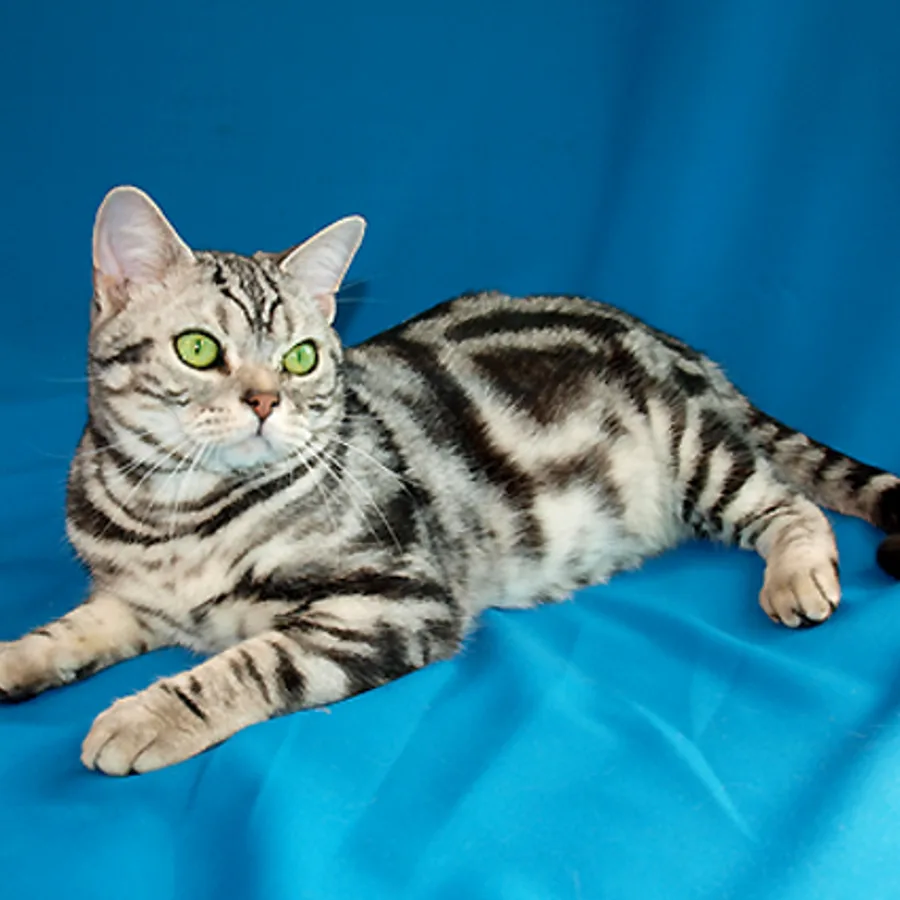
A working cat descended from ship's mousers brought over by early settlers, prized for its calm, all-American reliability.
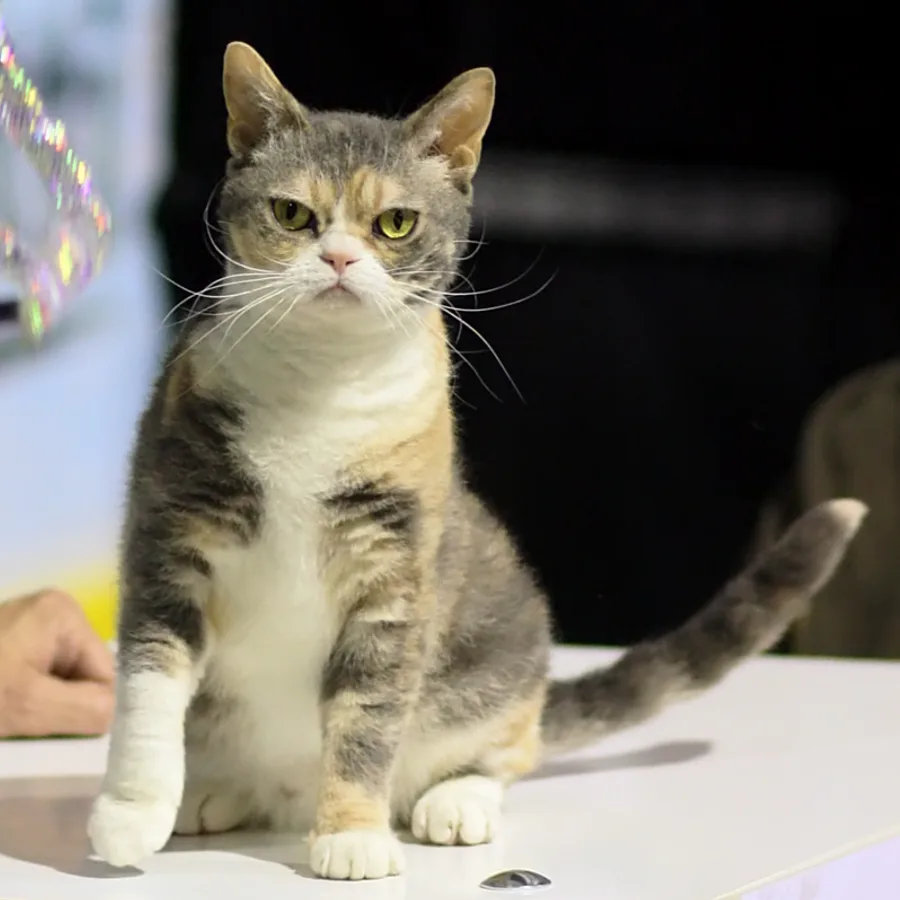
A rare, naturally occurring mutation of the American Shorthair defined by a dense, springy coat where even the whiskers are crimped.
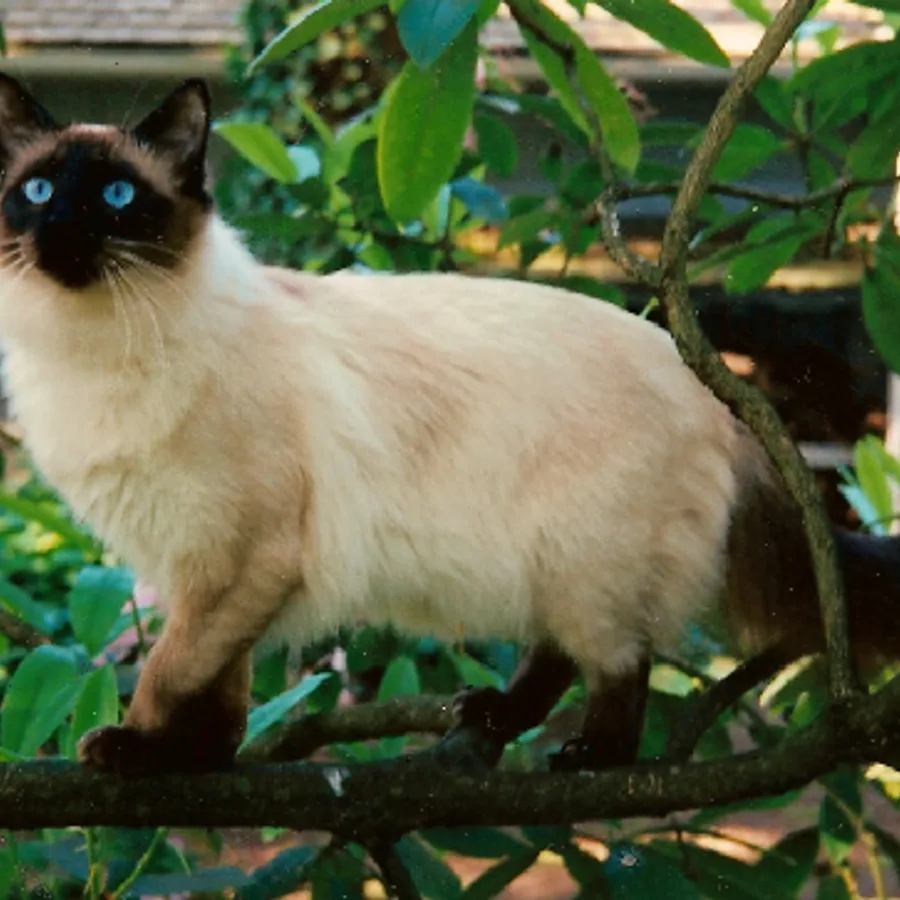
Essentially a long-haired Siamese, named for the graceful dancers of Bali because of its elegant, flowing movement.
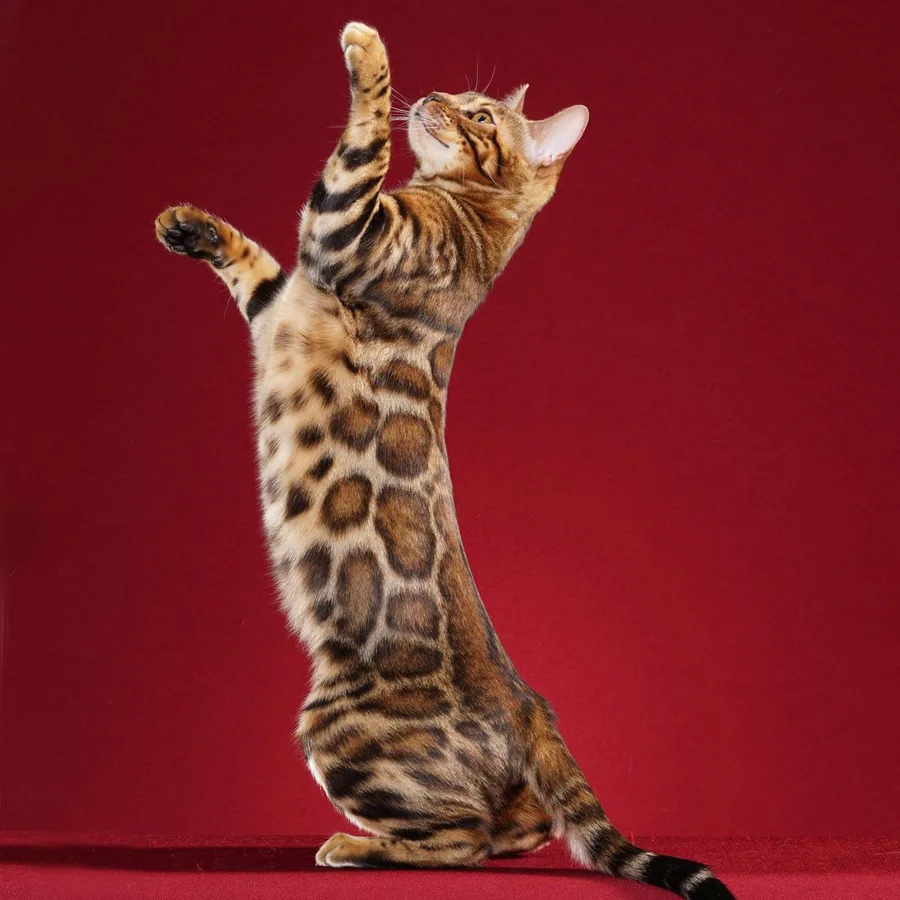
Bred from Asian leopard cats crossed with domestic shorthairs to bring a wild, jungle-cat look into the living room.
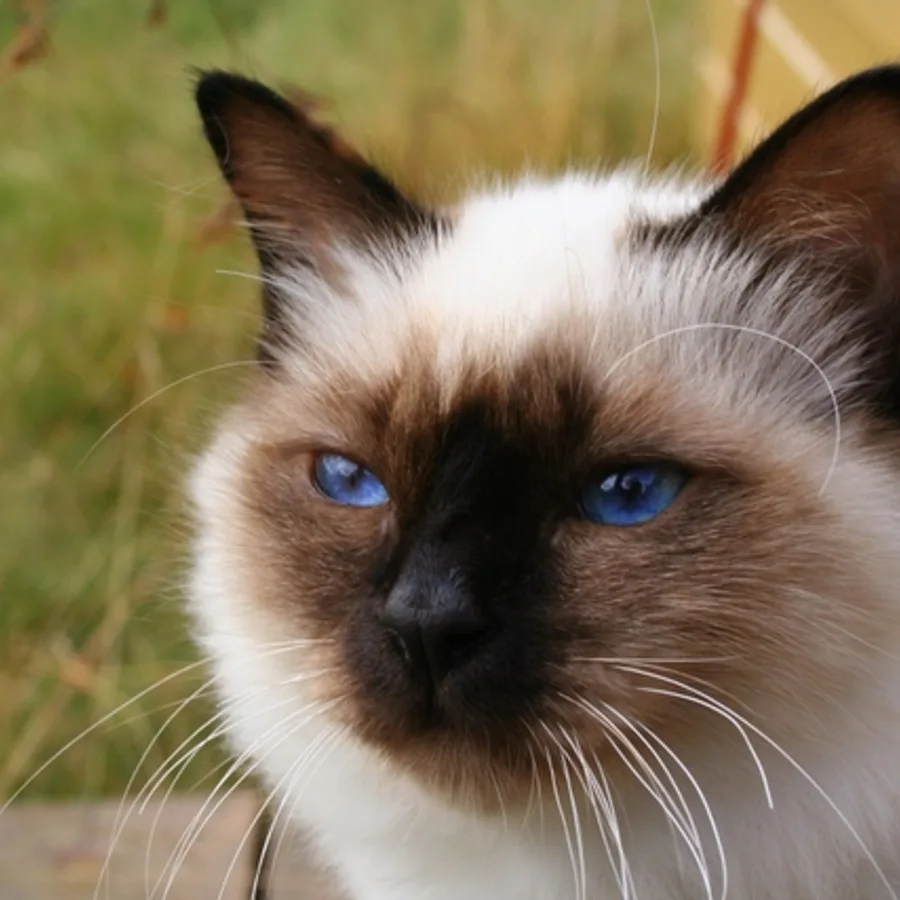
Known as the Sacred Cat of Burma, distinguished by its pointed coat and four perfectly white paws.
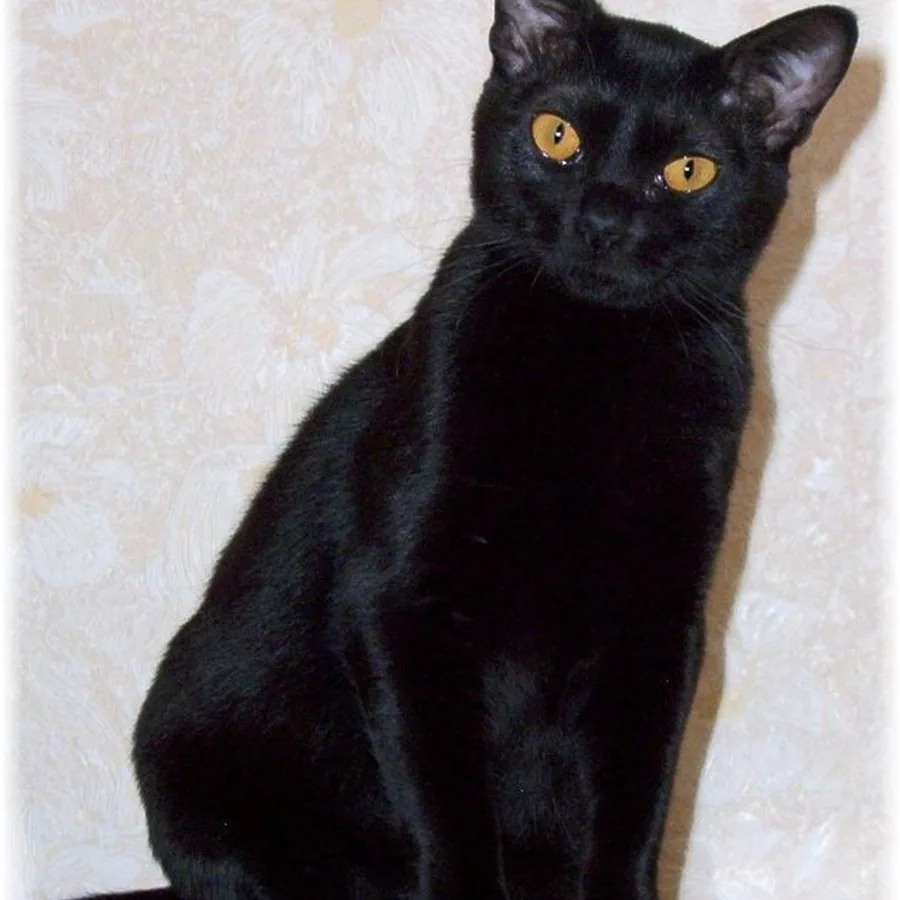
Bred to resemble a miniature black panther, with a sleek jet-black coat and glowing copper eyes.
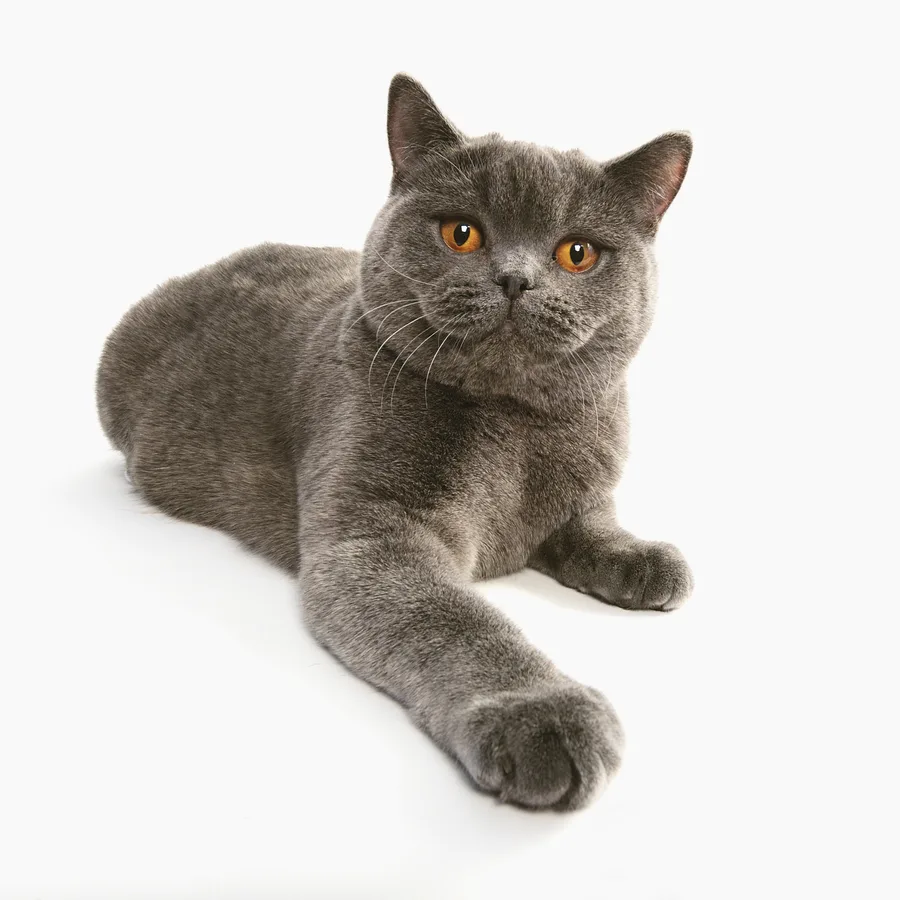
A fluffier cousin of the British Shorthair, carrying the same round, teddy-bear face beneath a plush semi-long coat.
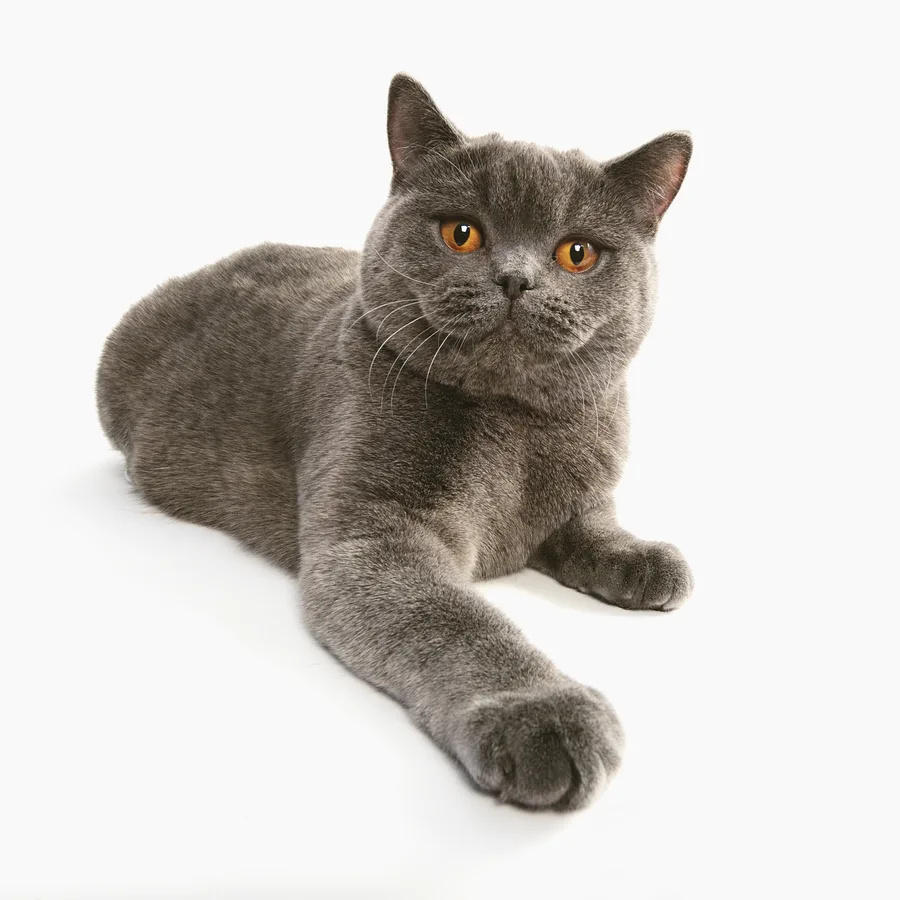
A stocky, round-faced breed descended from Roman-era working cats of Britain, famous as the model for the Cheshire Cat.
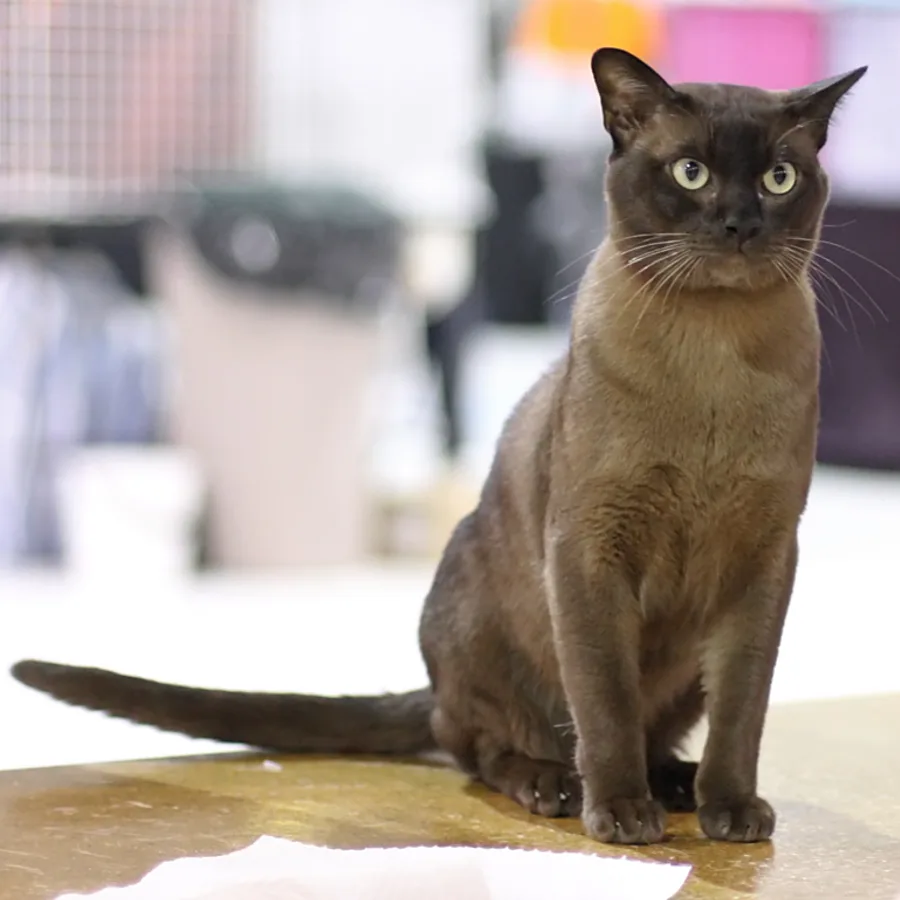
Descended from a single brown cat named Wong Mau brought from Burma to the United States in 1930, prized for its glossy coat and dog-like loyalty.
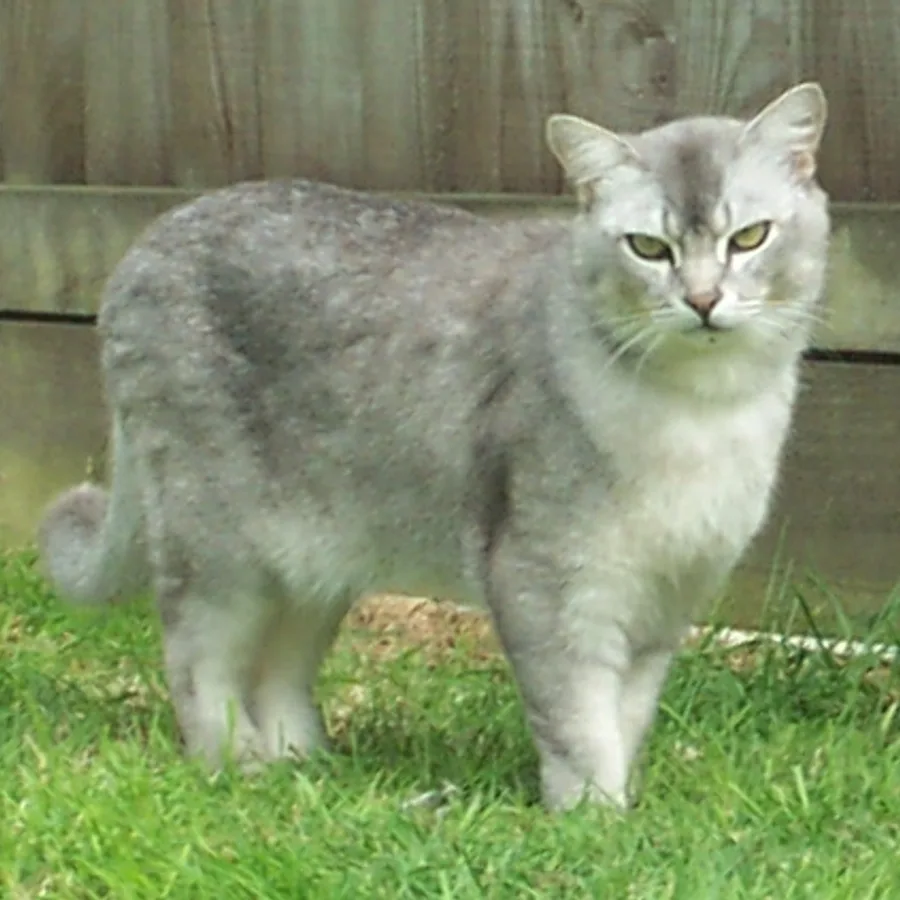
Born from an accidental pairing between a Burmese and a Chinchilla Persian in 1981, prized for its sparkling, shaded coat.
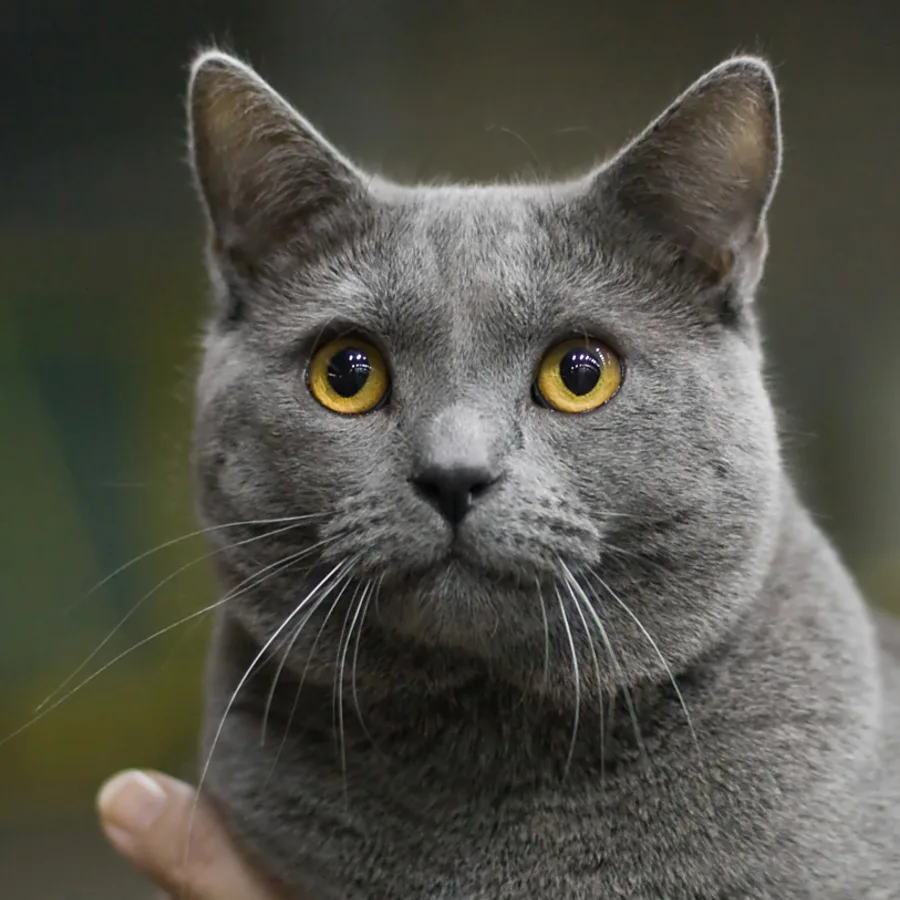
A French breed with a permanent smiling expression and a plush blue-gray coat once favored by monks and French nobility.
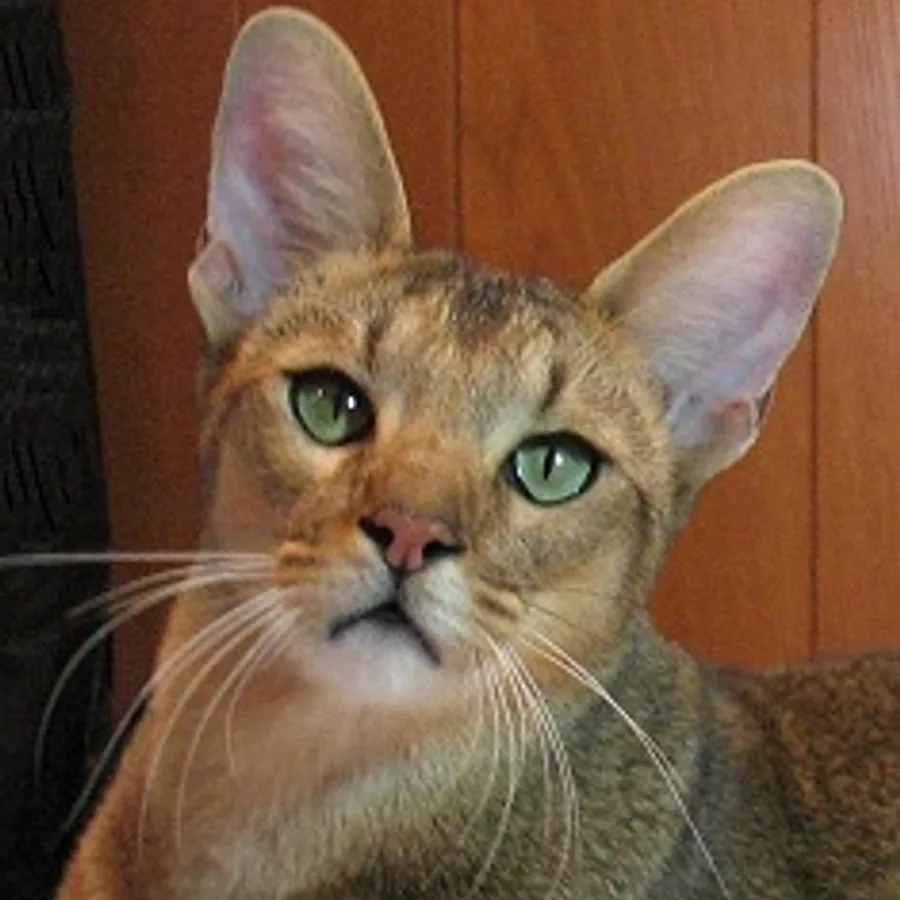
Developed from crosses with the wild jungle cat, giving it a tall, athletic build and a strikingly wild appearance.
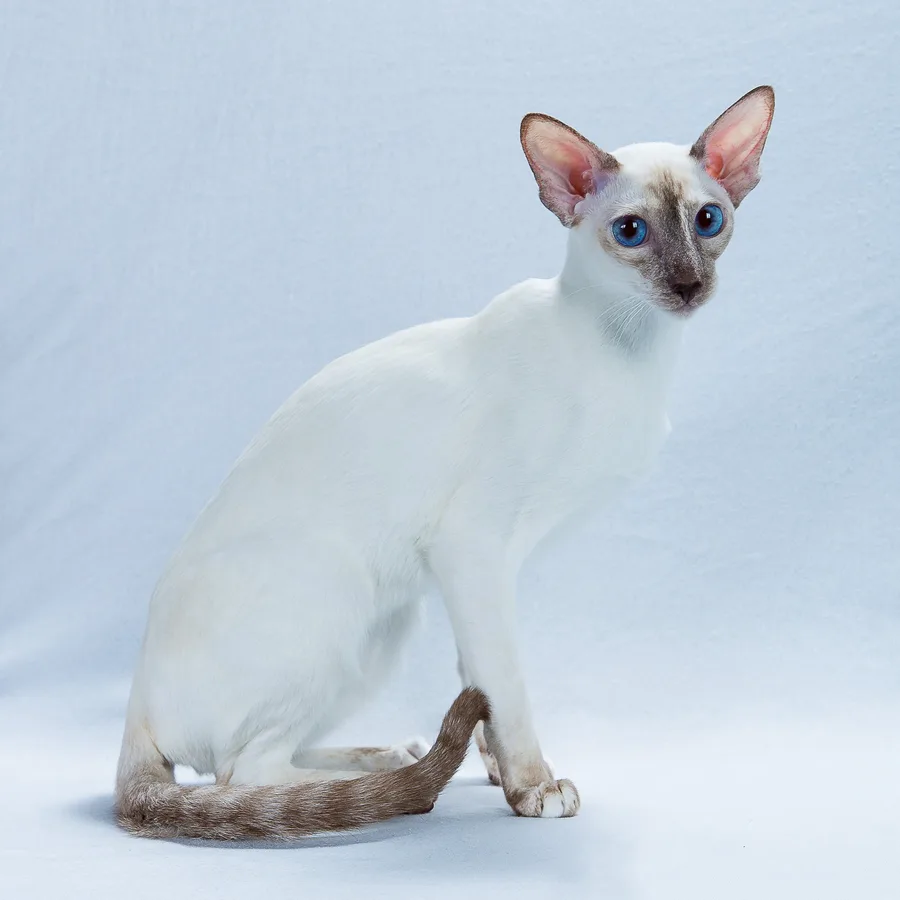
A close relative of the Siamese bred to bring red, cream, and tortie shades into the classic pointed pattern.
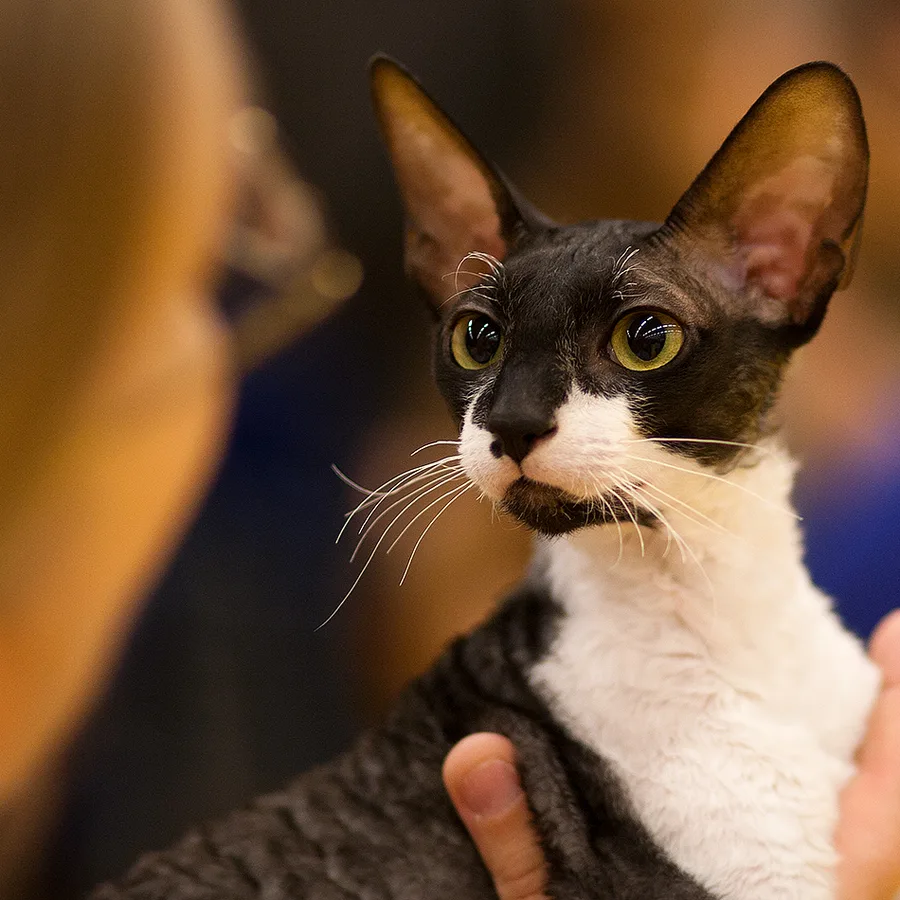
Named for the Cornwall farm where it was discovered in 1950, known for a soft, wavy coat made only of the downy undercoat.
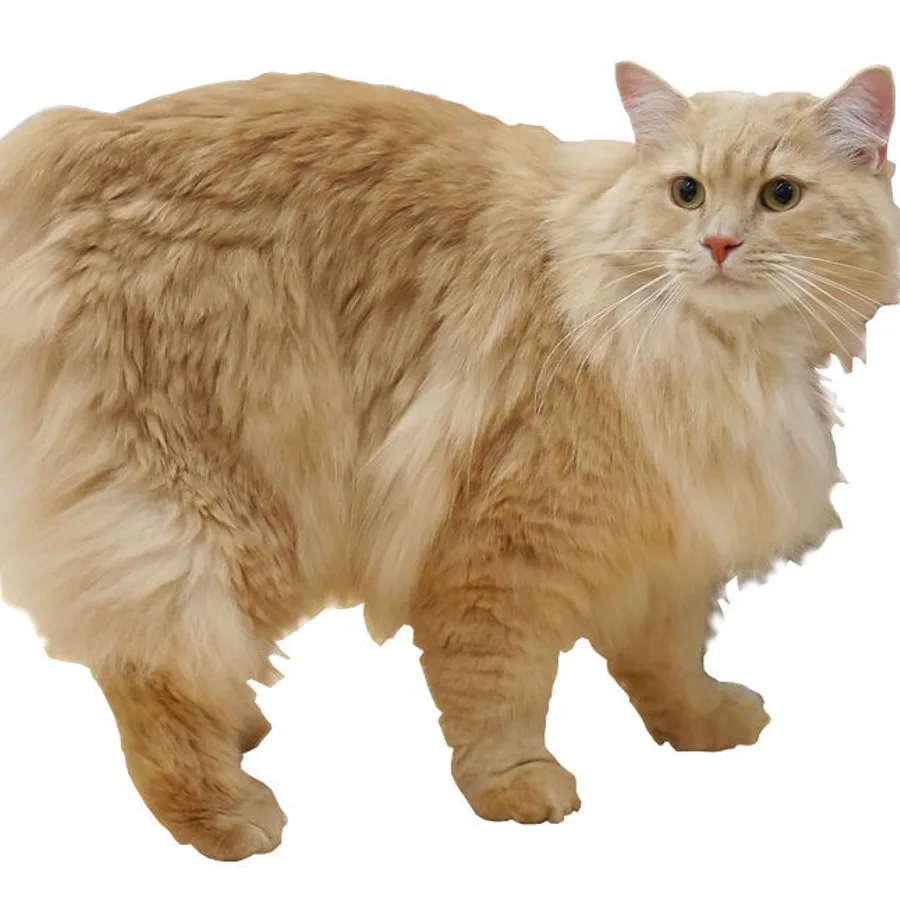
Essentially a long-haired Manx, best known for its naturally rounded, tailless or short-tailed rump.
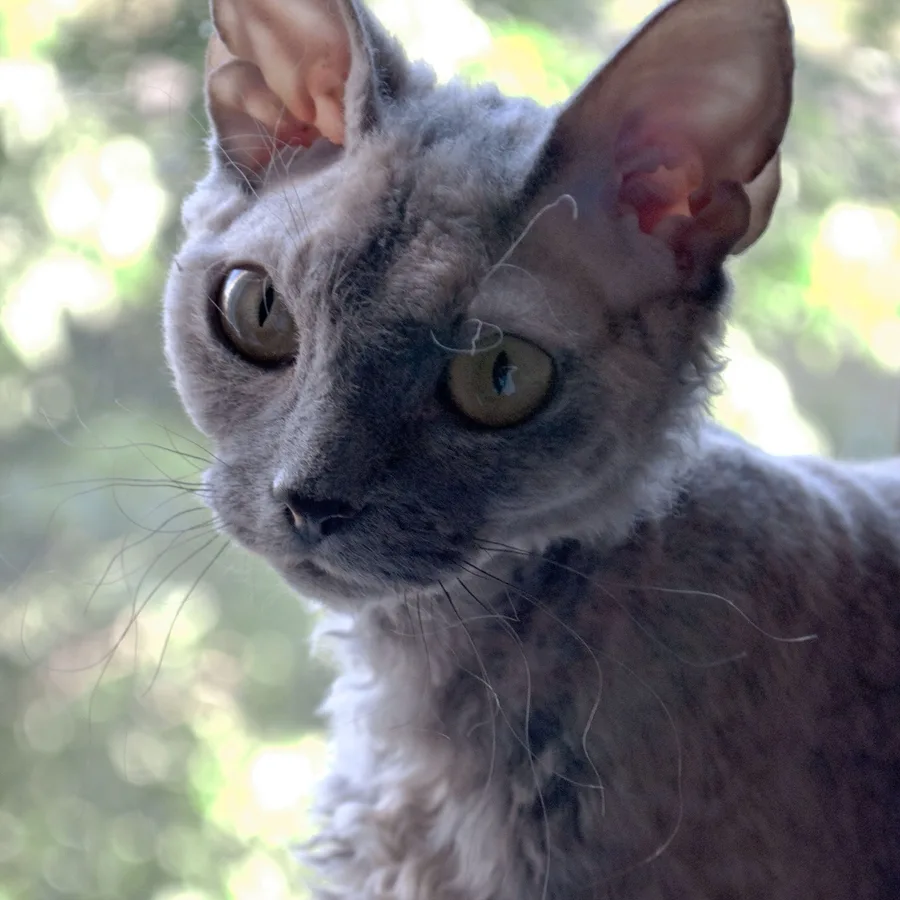
Nicknamed the pixie cat for its huge ears, elfin face, and impish, wavy coat.
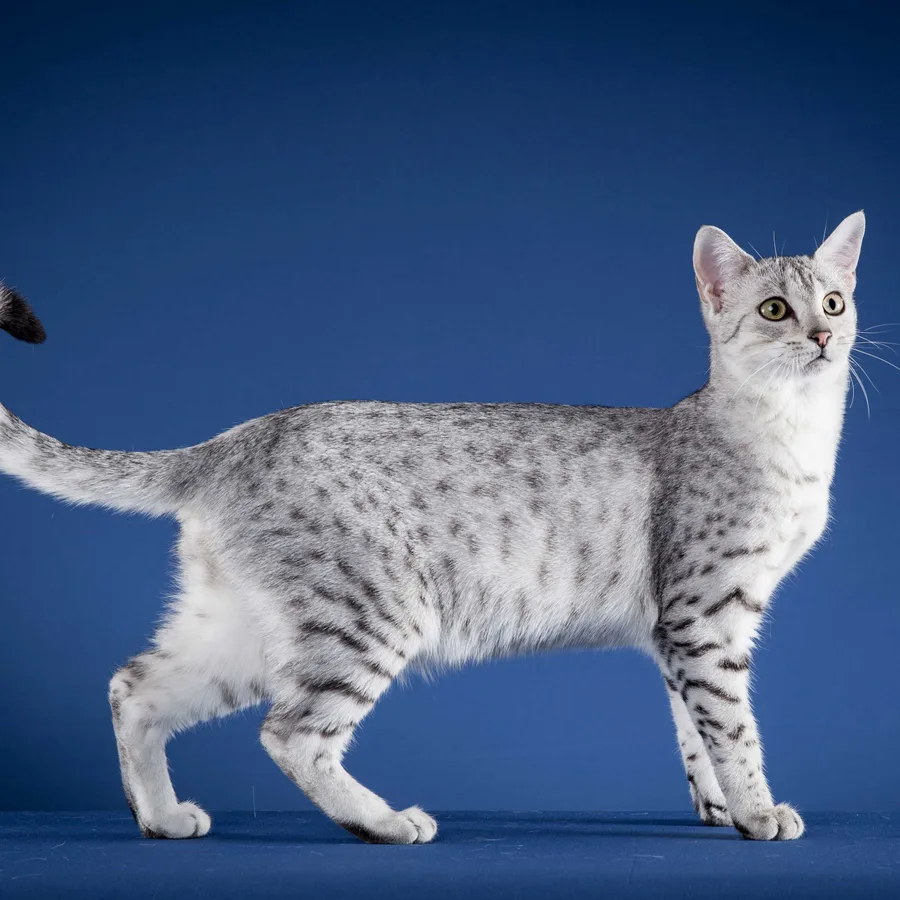
One of the few naturally spotted cat breeds, believed to descend directly from ancient Egyptian domestic cats.
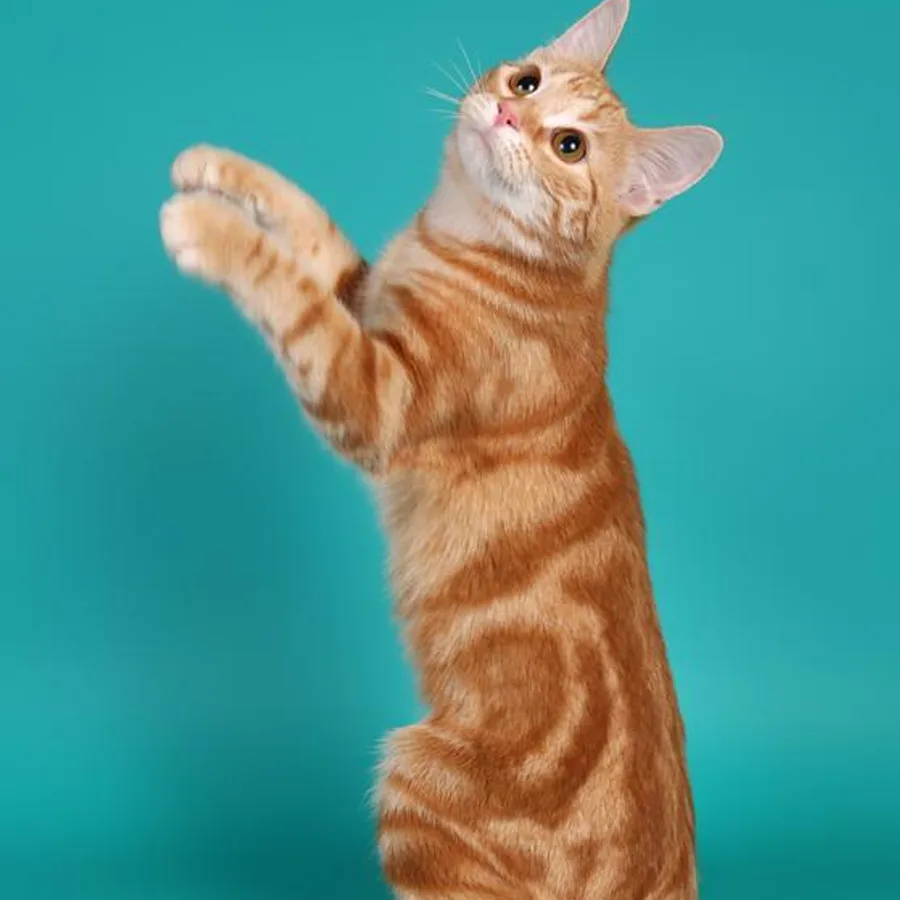
A robust working breed descended from cats that arrived in Europe with Roman traders, prized for its natural, unaltered build.
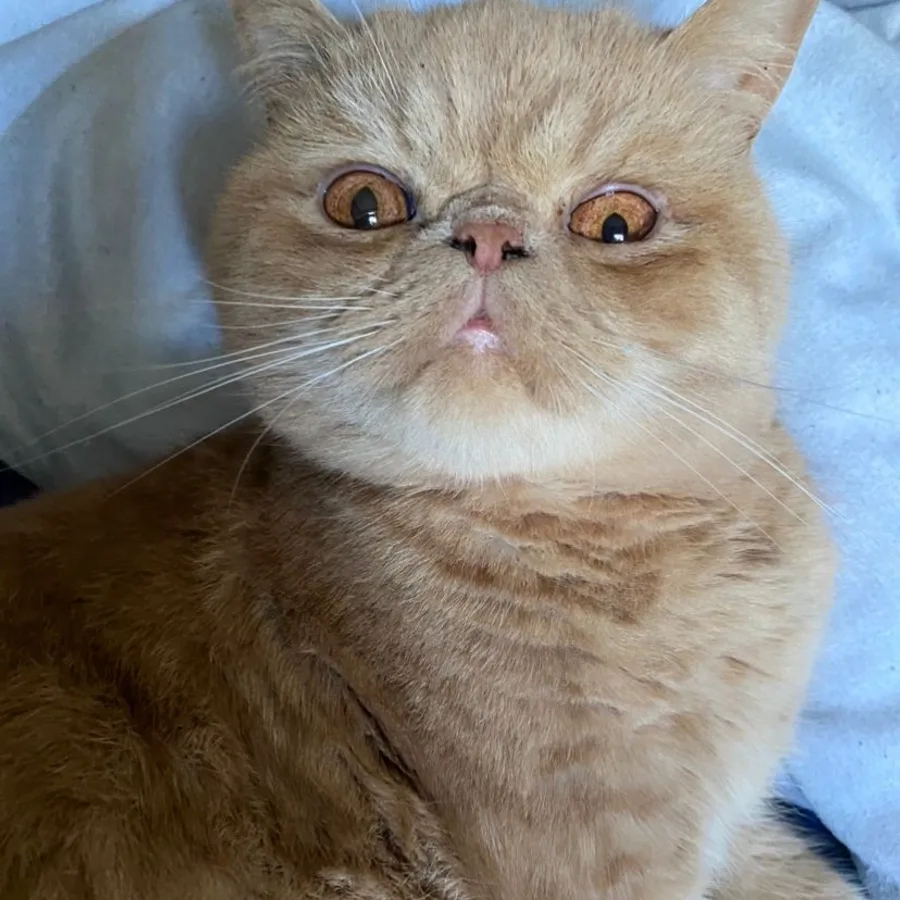
Known as the lazy man's Persian, carrying the same flat-faced charm in a low-maintenance short coat.
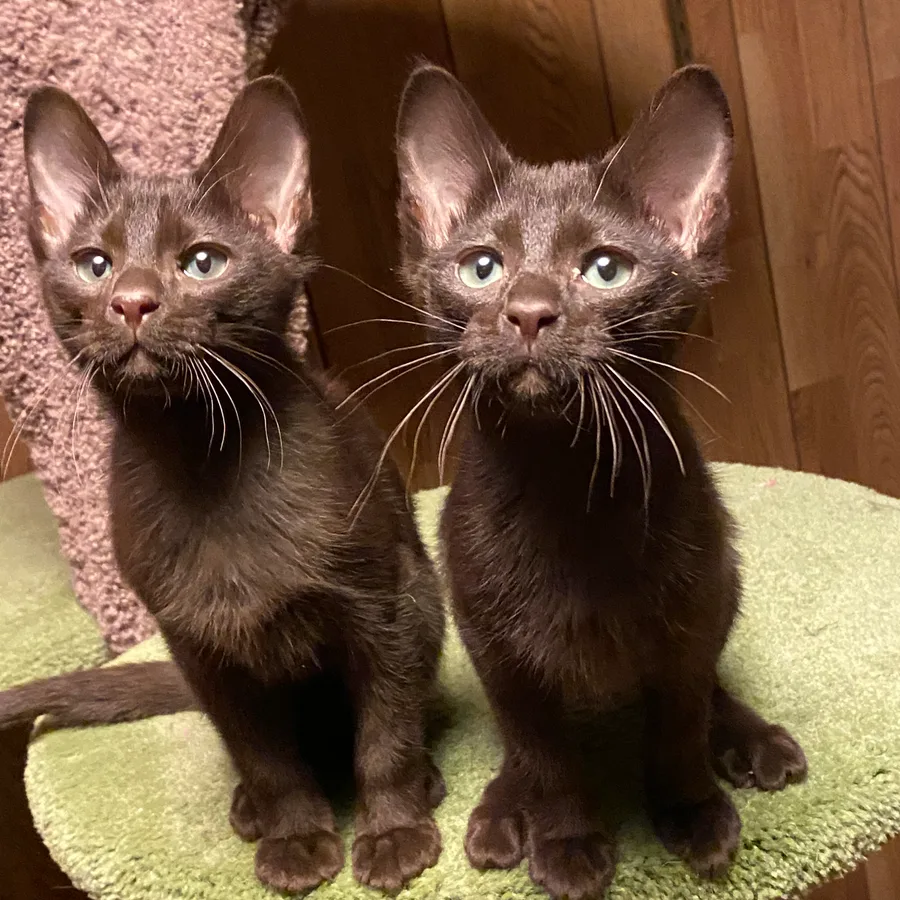
Named for its rich, cigar-brown coat, a rare breed developed in England from Siamese lines carrying the chocolate gene.
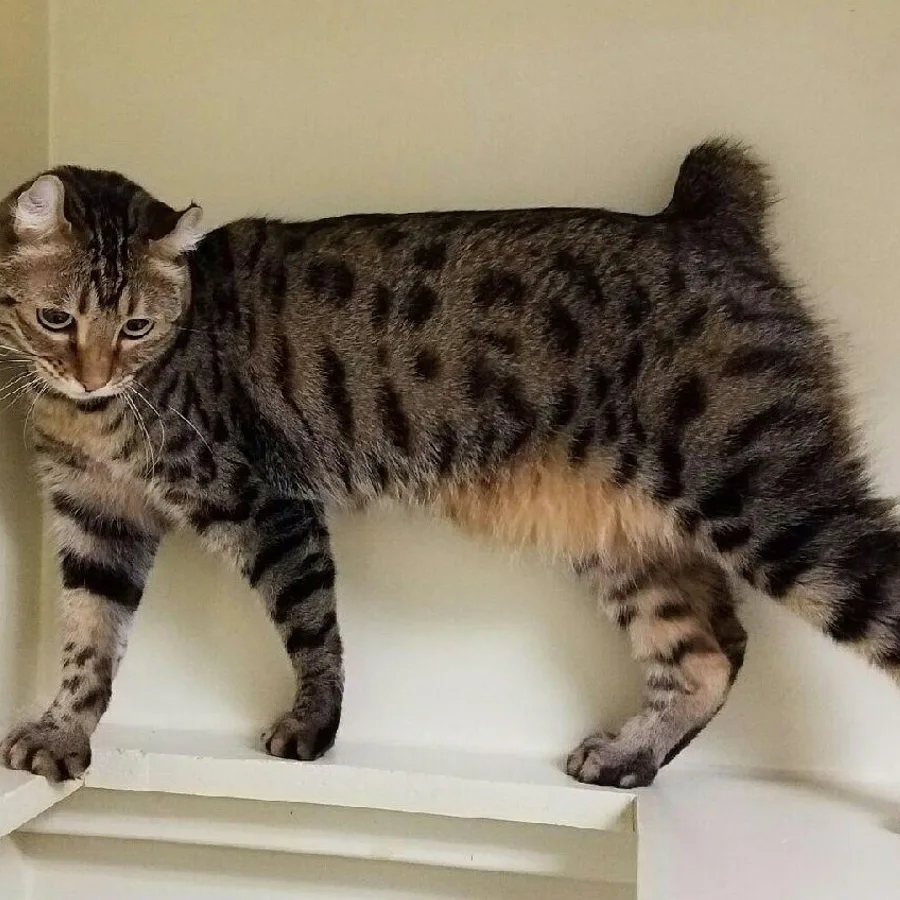
A bold, wild-looking breed with curled ears and a bobbed tail, developed to evoke a mini bobcat without any wild ancestry.
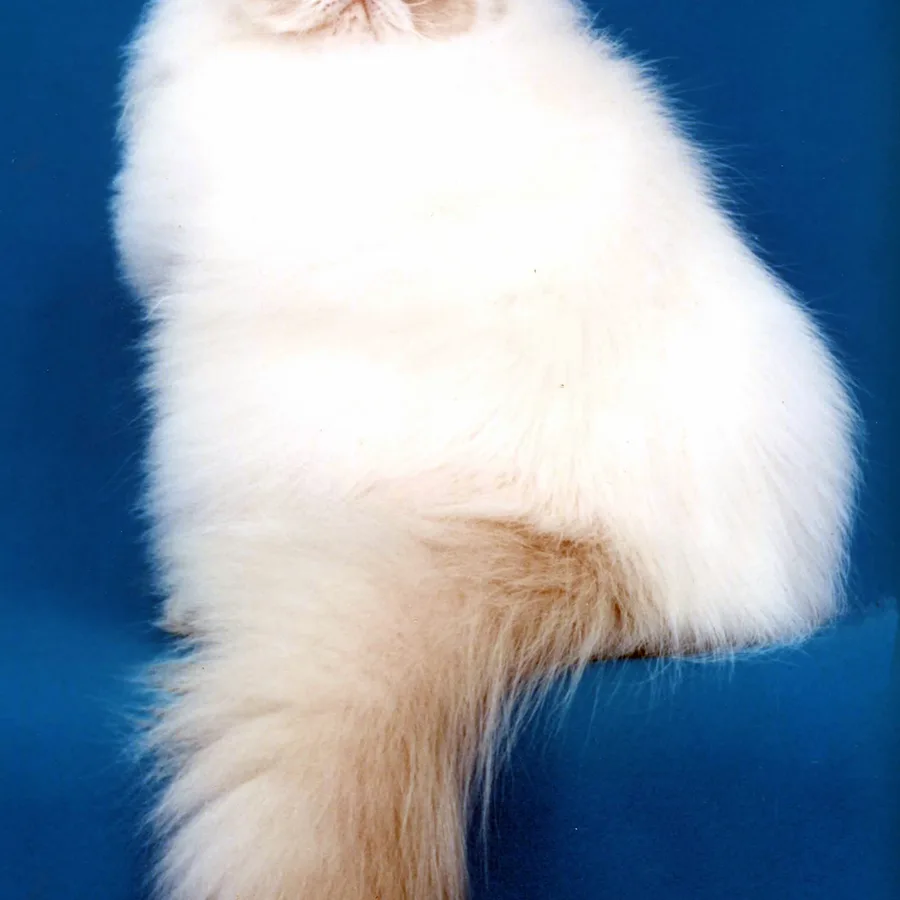
A Persian-Siamese cross combining the Persian's luxurious long coat with the Siamese's striking pointed colors and blue eyes.
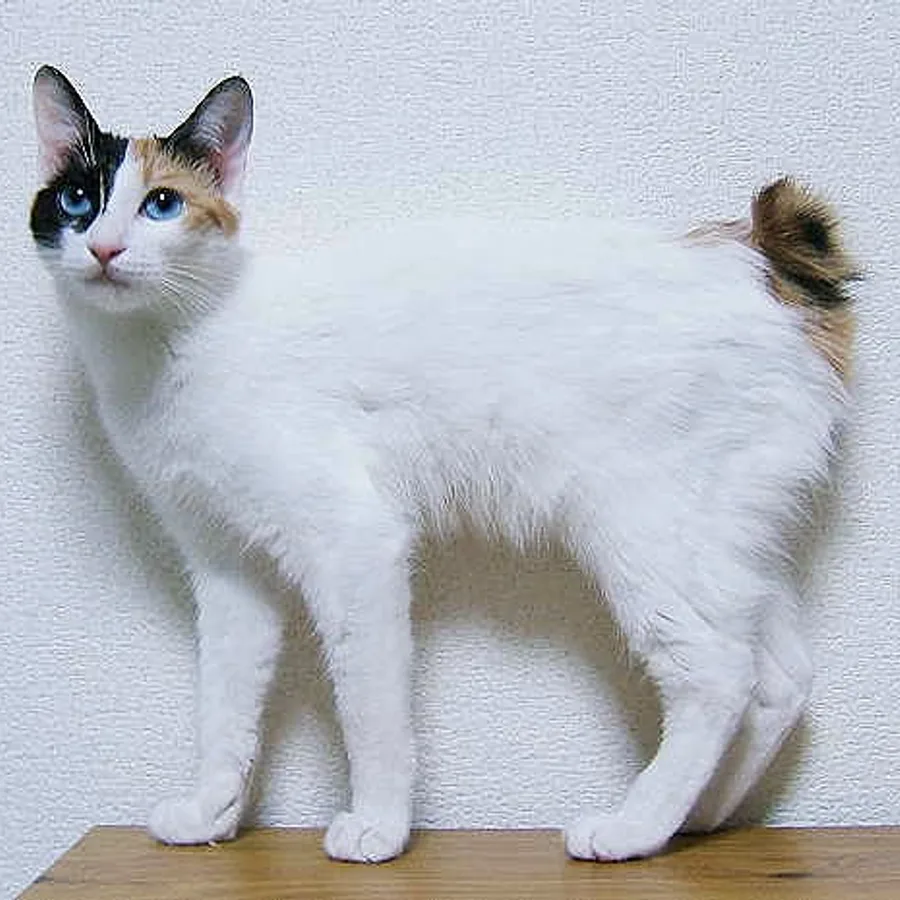
An ancient breed from Japan with a naturally short, pom-pom tail, immortalized as the beckoning lucky cat, Maneki-neko.
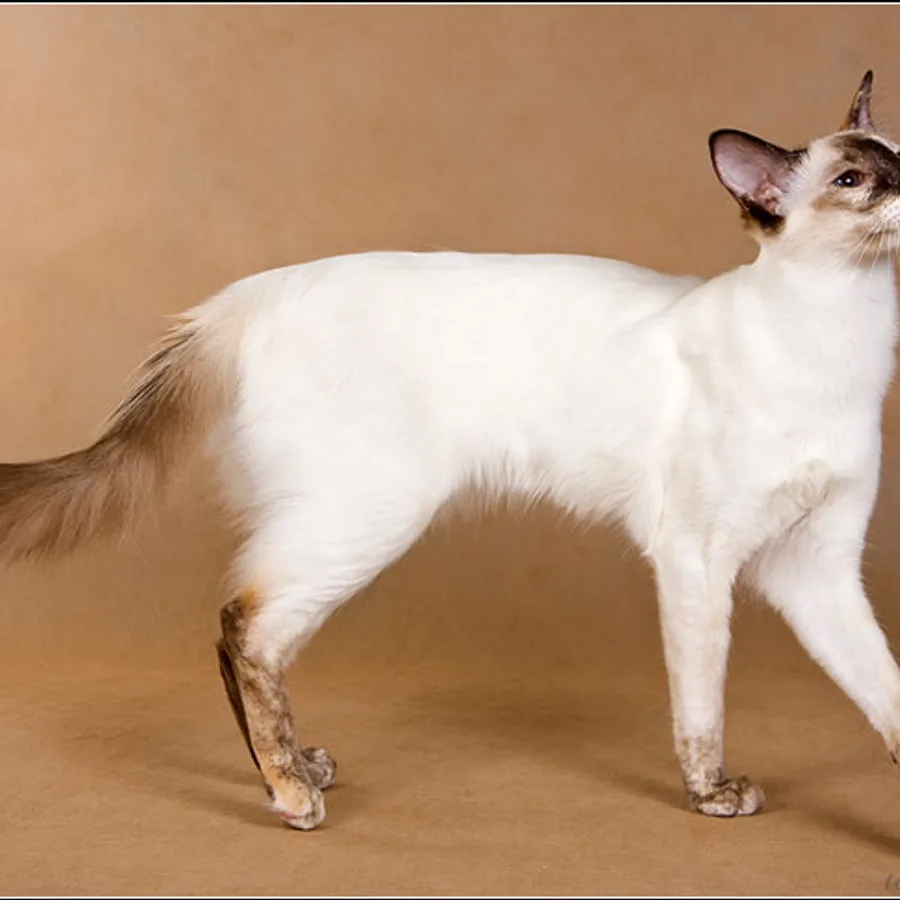
A long-haired relative of the Balinese bred to include a wider range of pointed colors and patterns.
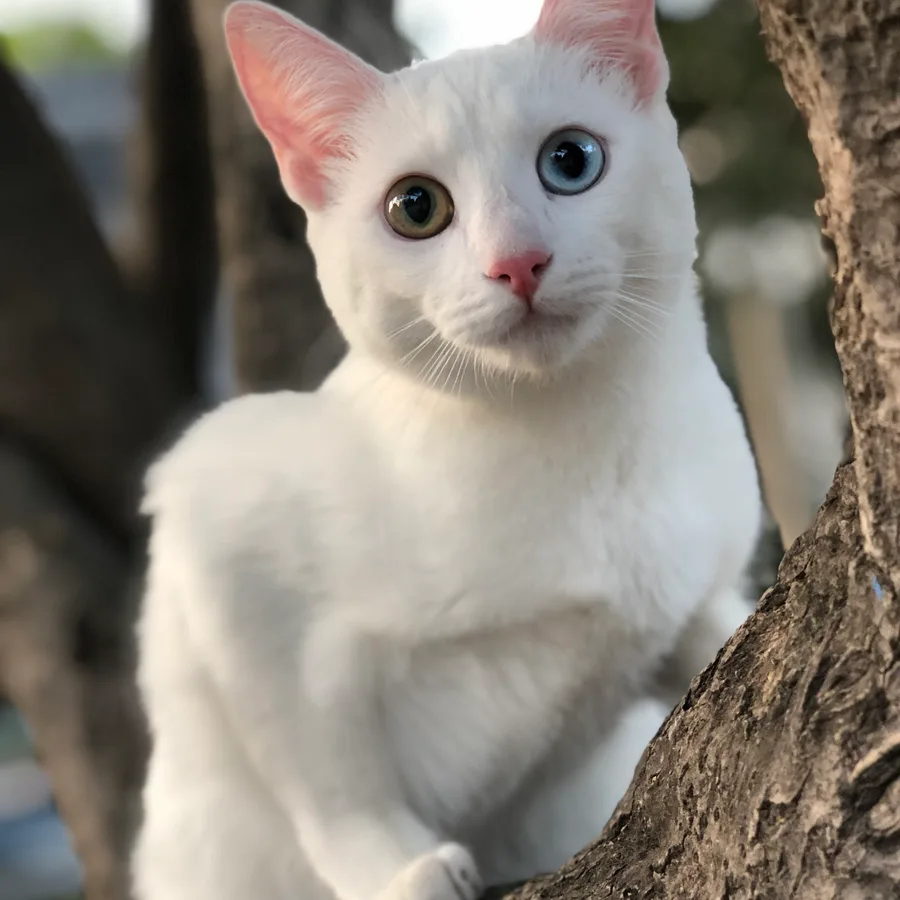
An ancient Thai breed prized for centuries by royalty for its pure white coat and often mismatched odd eyes.
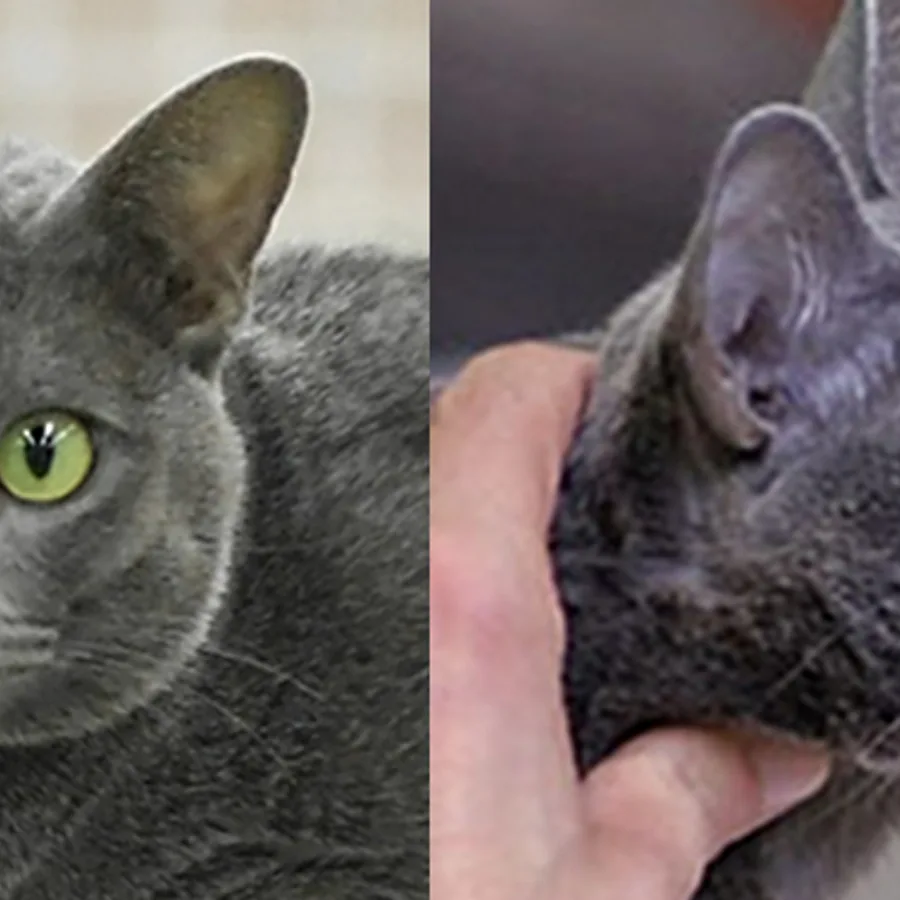
A silver-blue Thai breed considered a symbol of good luck, traditionally given in pairs as wedding gifts.
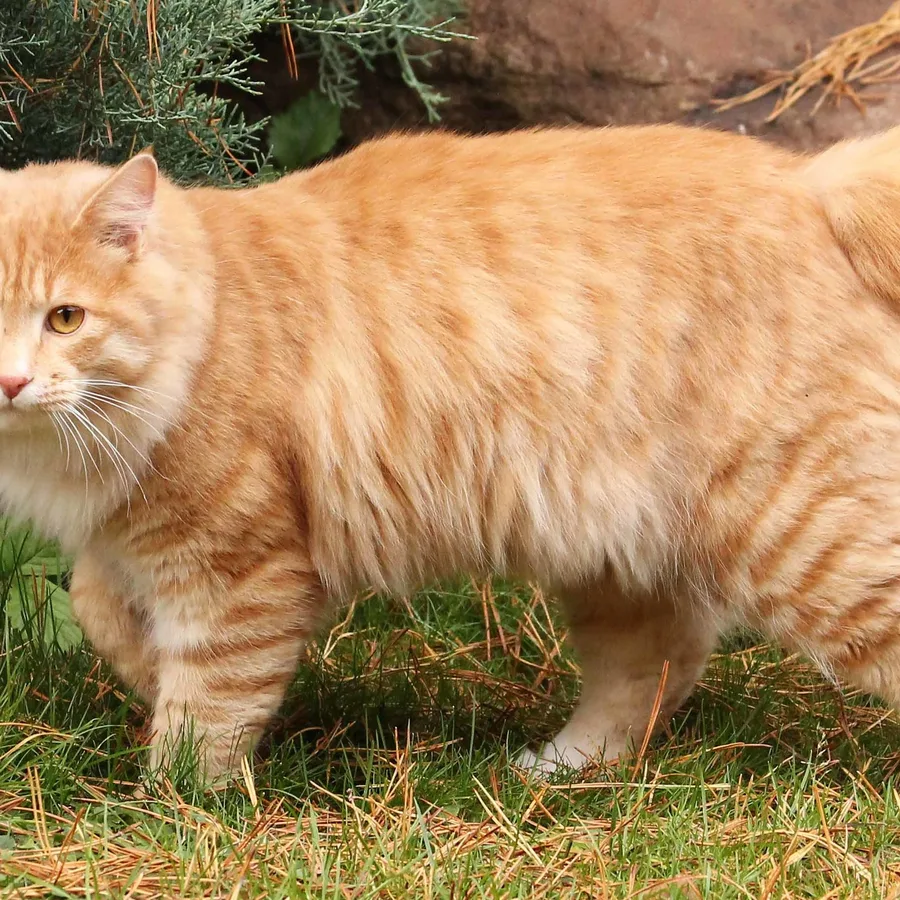
A hardy natural breed from Russia's Kuril Islands known for its pom-pom tail and enthusiasm for swimming and fishing.
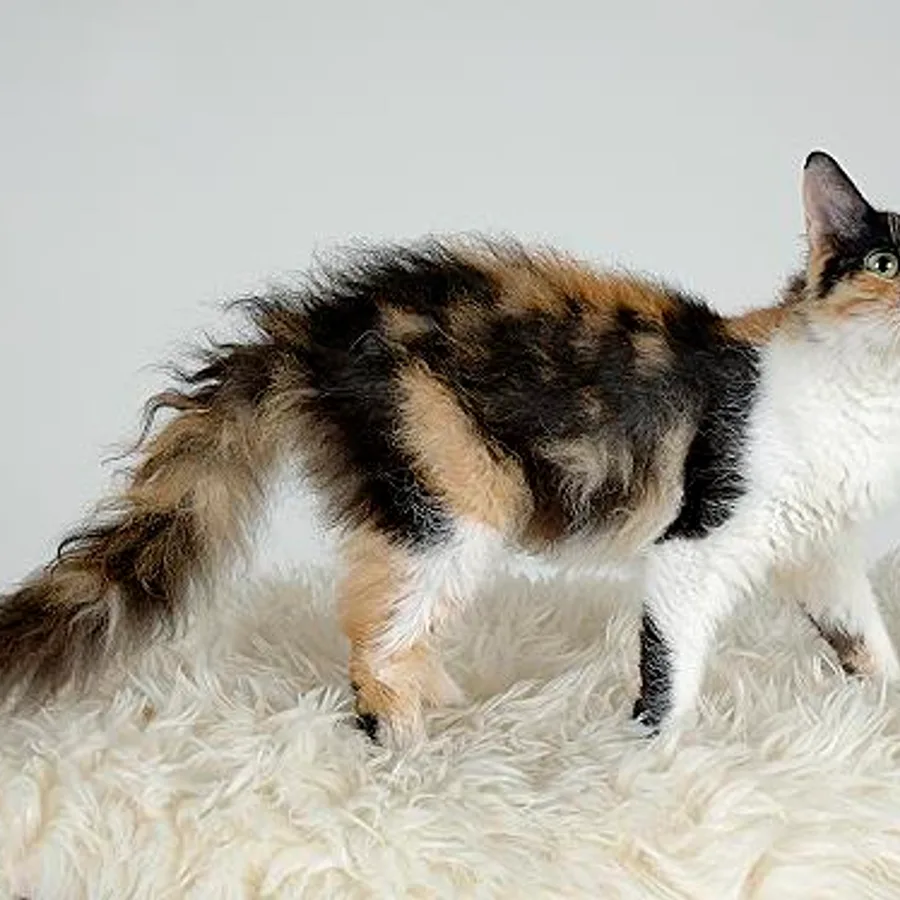
Born from a spontaneous mutation on an Oregon farm in 1982, known for a soft, curly coat that ripples like a perm.
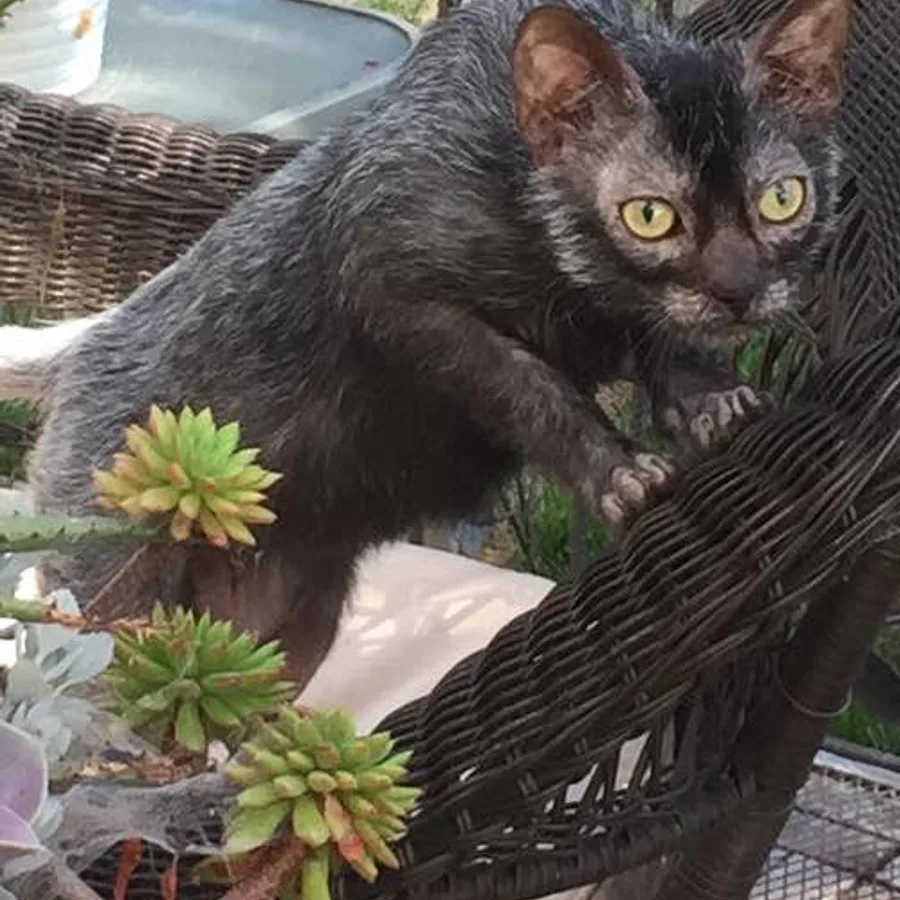
Nicknamed the werewolf cat for its sparse, patchy coat and lupine facial structure caused by a natural genetic mutation.
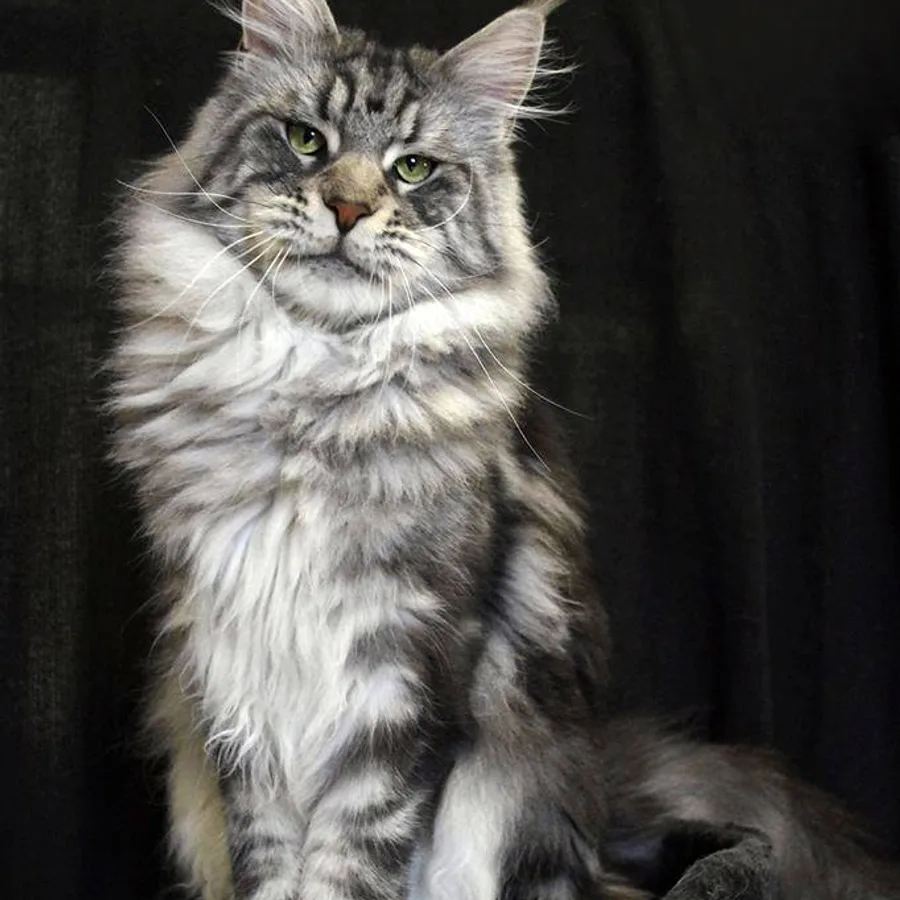
America's native longhair and one of the largest domestic cat breeds, famous for its tufted ears, bushy tail, and gentle giant nature.
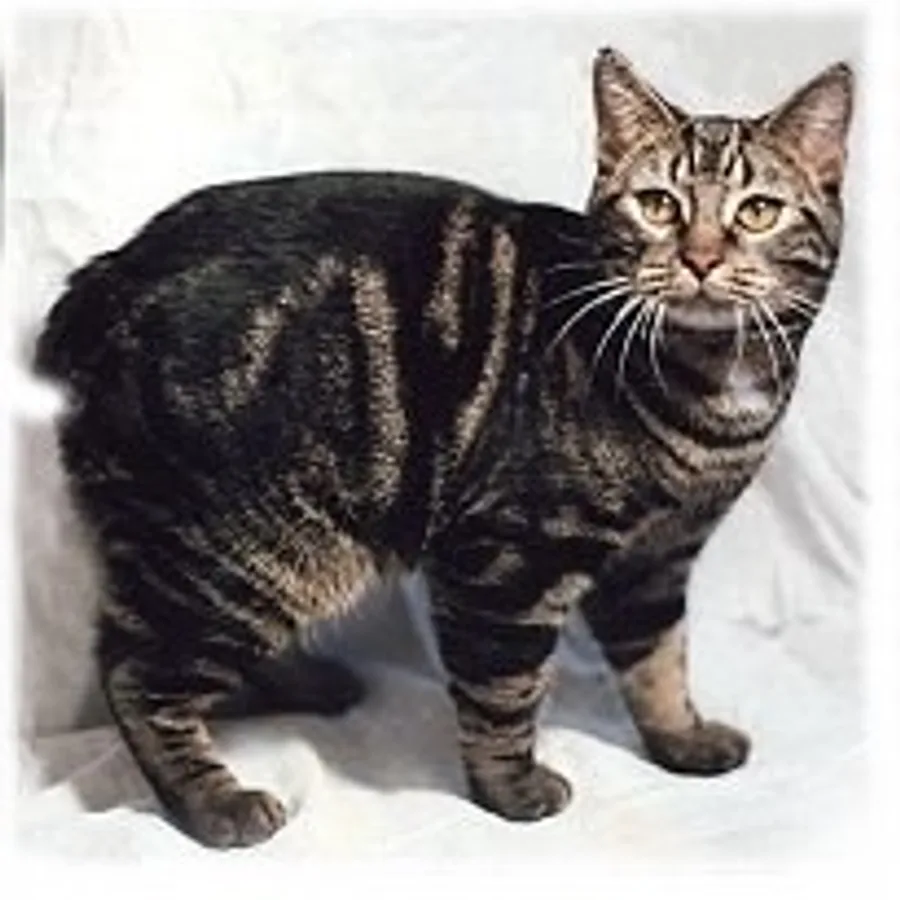
Famous for its naturally tailless rump, a breed native to the Isle of Man where it developed in isolation.
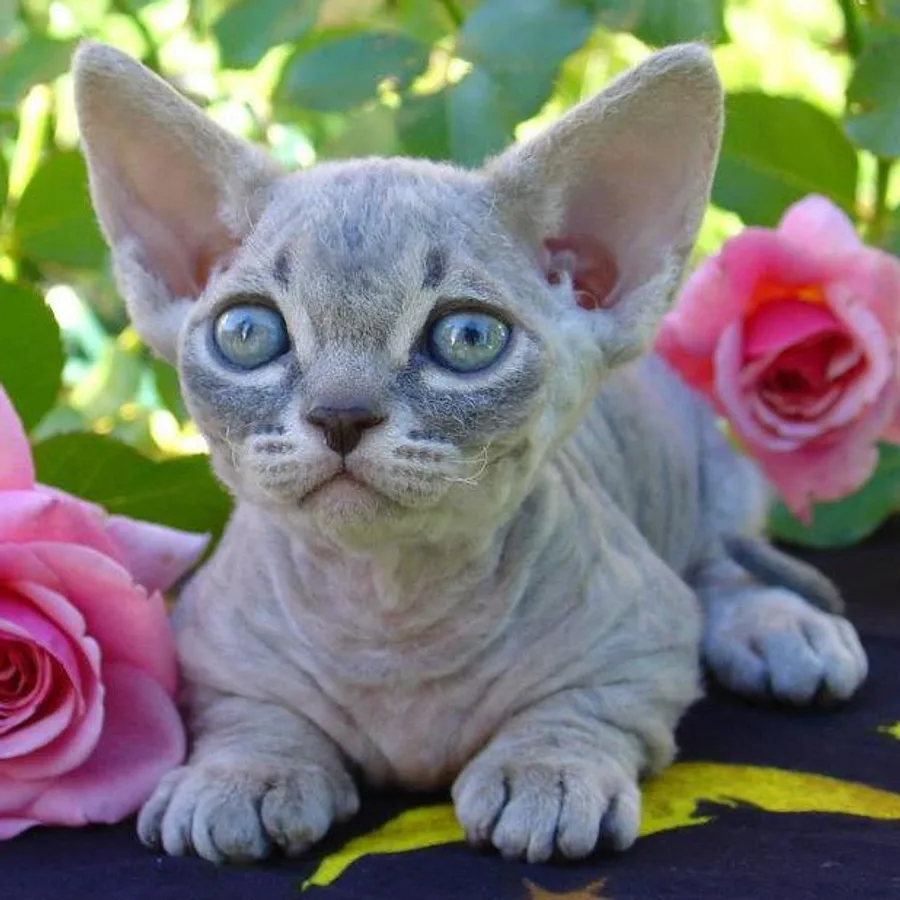
A dwarf breed combining the short legs of the Munchkin with the near-hairlessness of the Sphynx, developed in the 1990s.
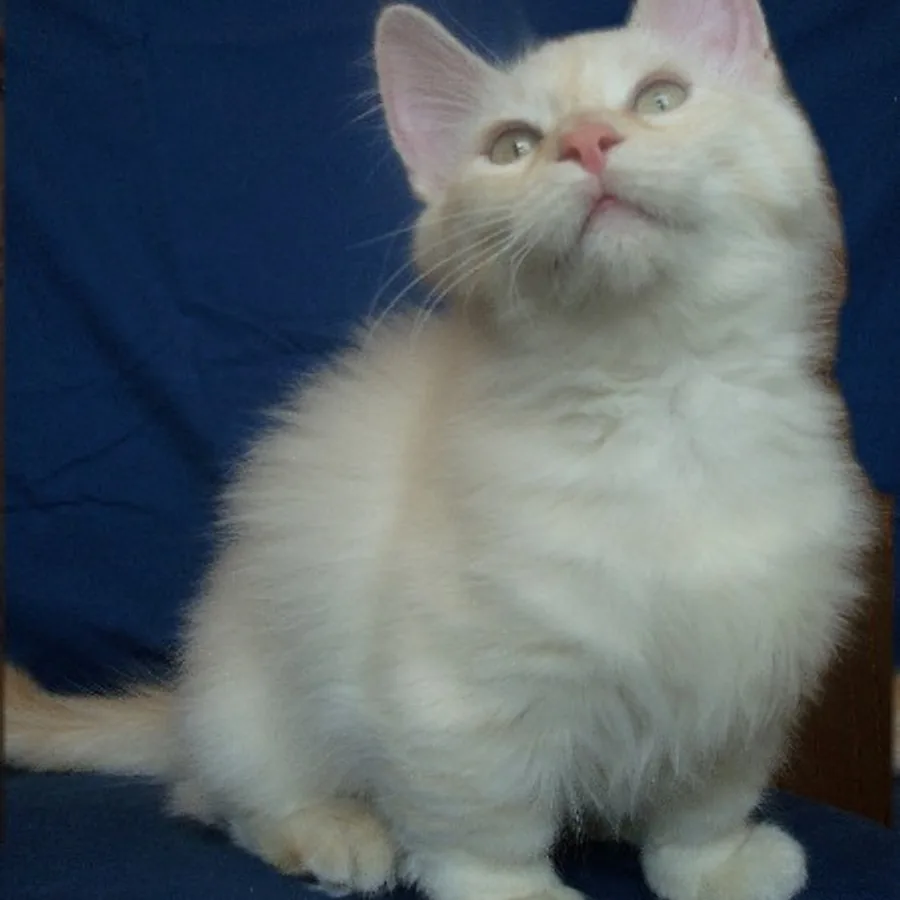
Known for its short, dachshund-like legs caused by a natural genetic mutation, without any dent in its energetic personality.
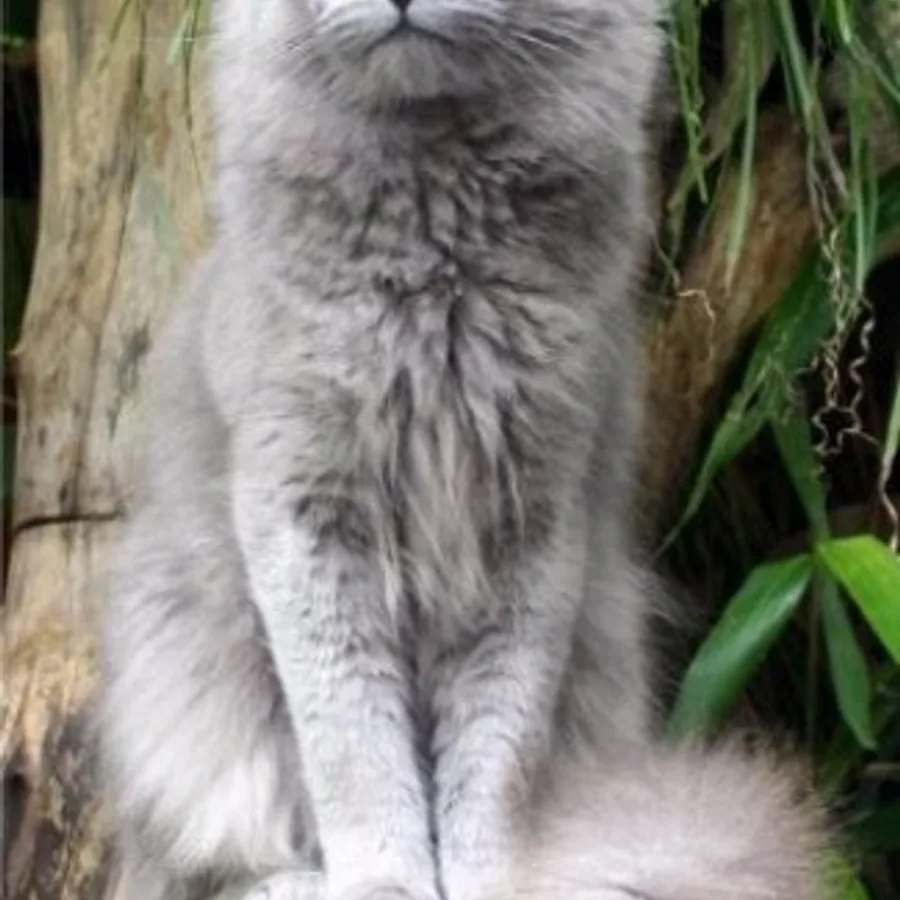
A rare longhaired cousin of the Russian Blue, its name meaning creature of the mist for its shimmering silver-blue coat.
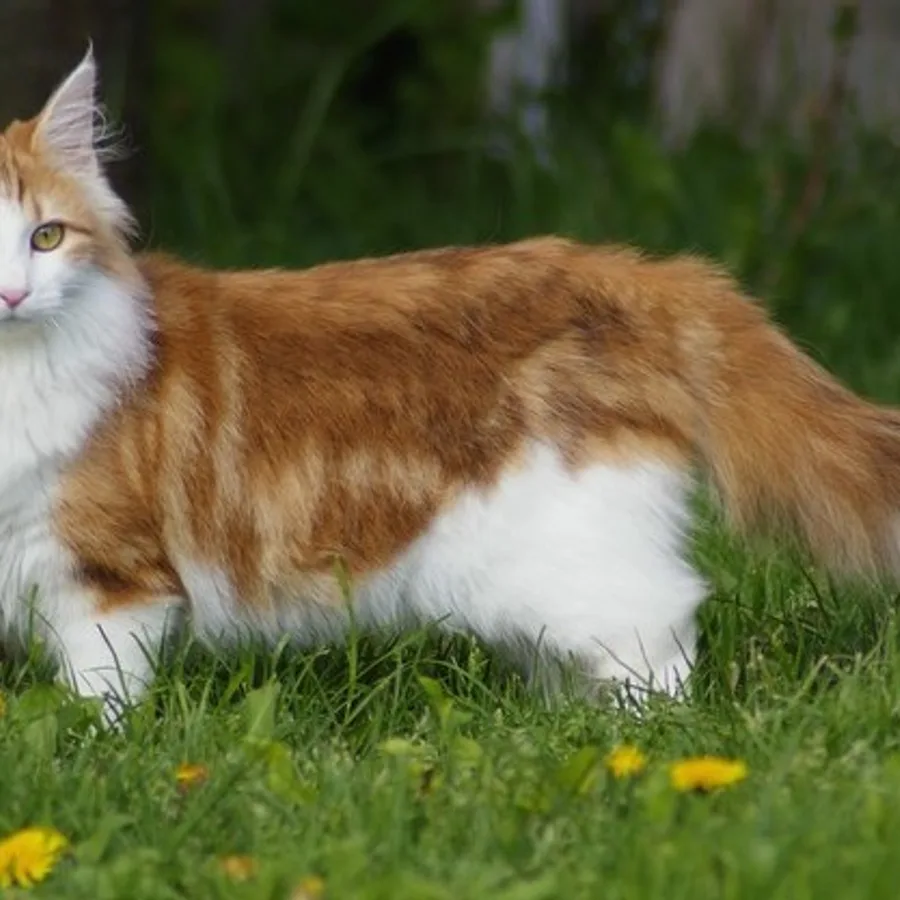
A sturdy Scandinavian breed built for harsh winters, featured in Norse mythology as the fairy cat said to accompany the goddess Freyja.
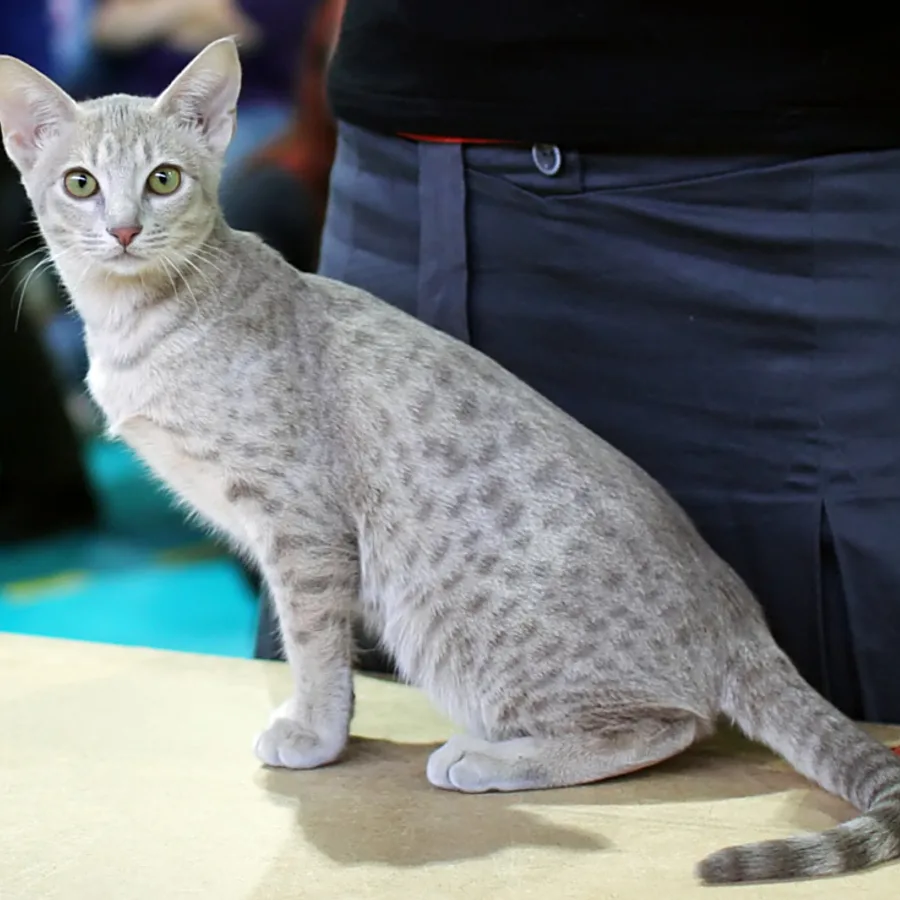
Bred entirely from domestic breeds to look like a wild ocelot, without a drop of wild cat blood.
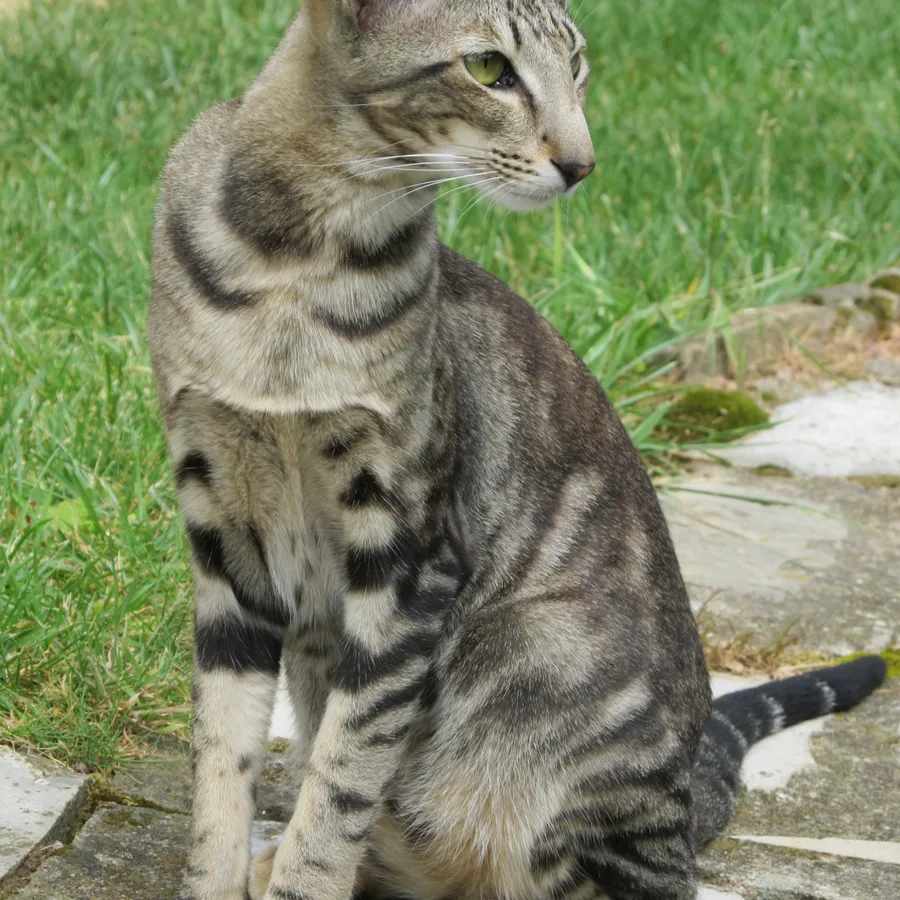
A svelte, wedge-headed relative of the Siamese bred in over 300 possible coat colors and patterns.
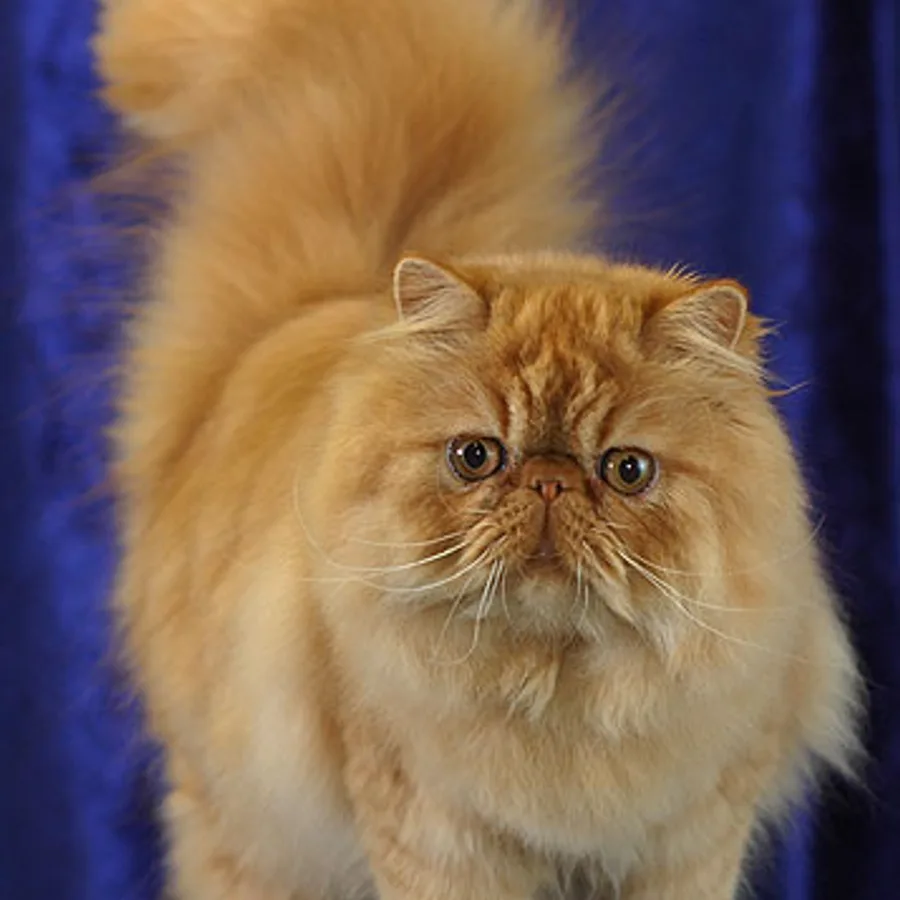
One of the oldest and most popular cat breeds, famous for its luxurious flowing coat and sweet, flat-faced expression.
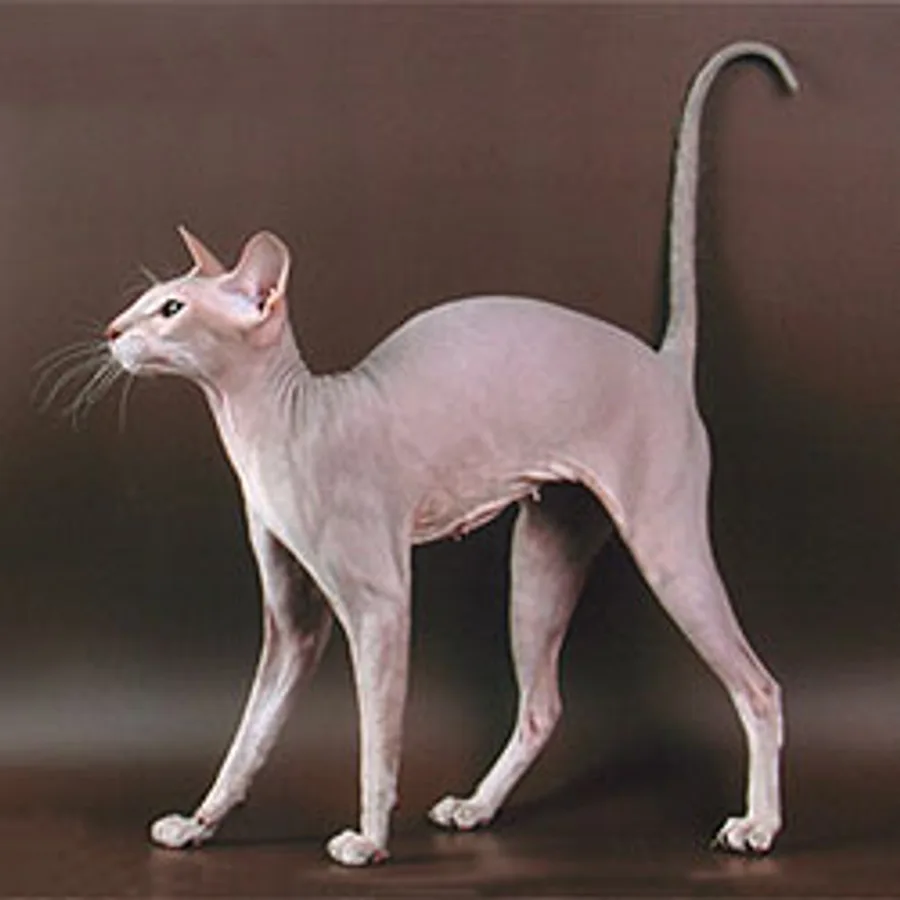
A Russian breed with a range of coat types from bald to velvety, developed in the 1990s from Don Sphynx and Oriental Shorthair lines.
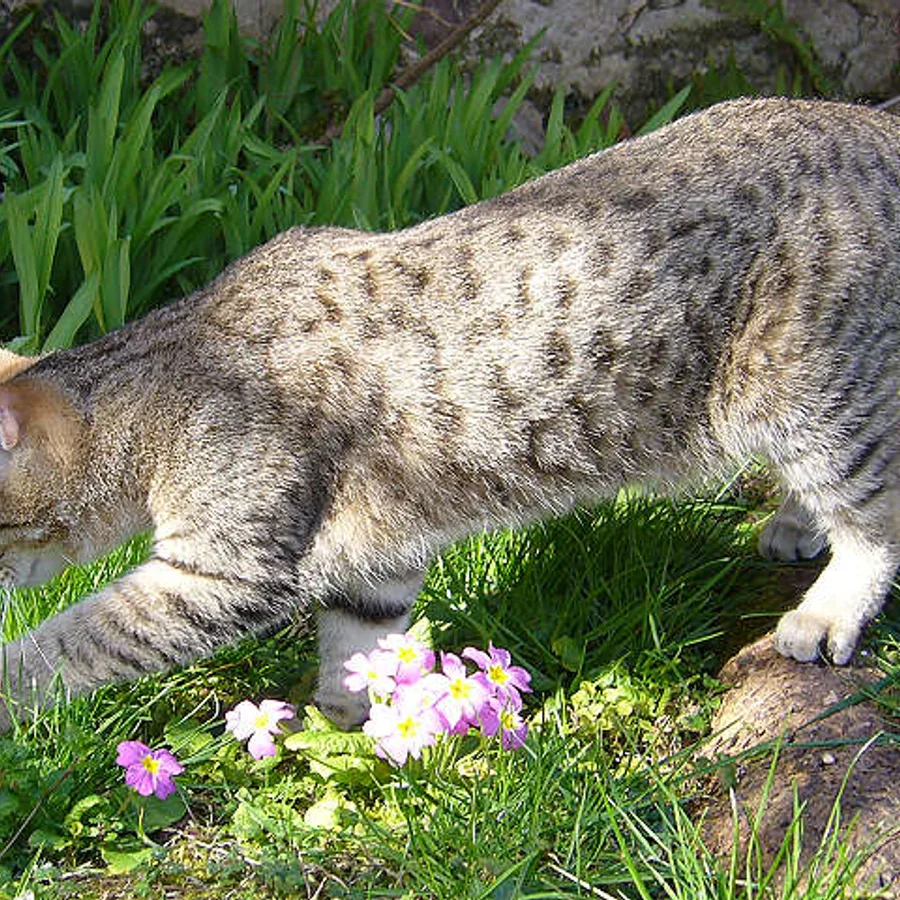
Bred to resemble the wild bobcat, with a short tail, spotted coat, and famously devoted temperament, some are even polydactyl.
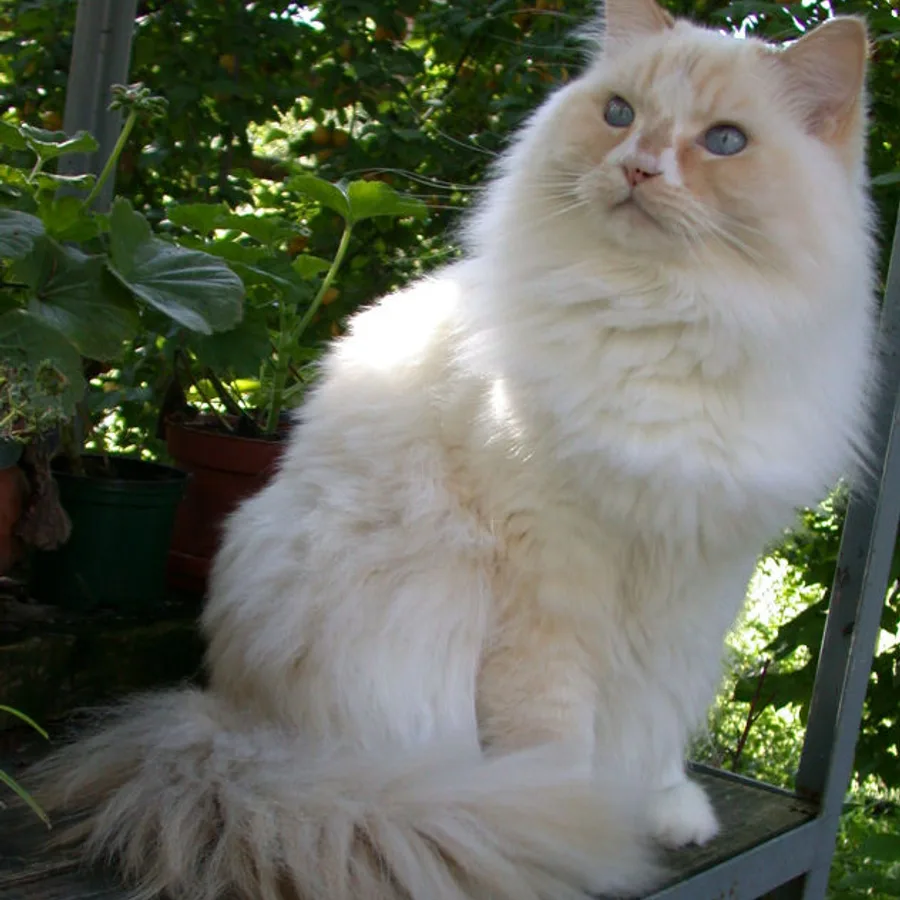
A close cousin of the Ragdoll bred in an expanded range of colors, known for going limp with contentment when held.
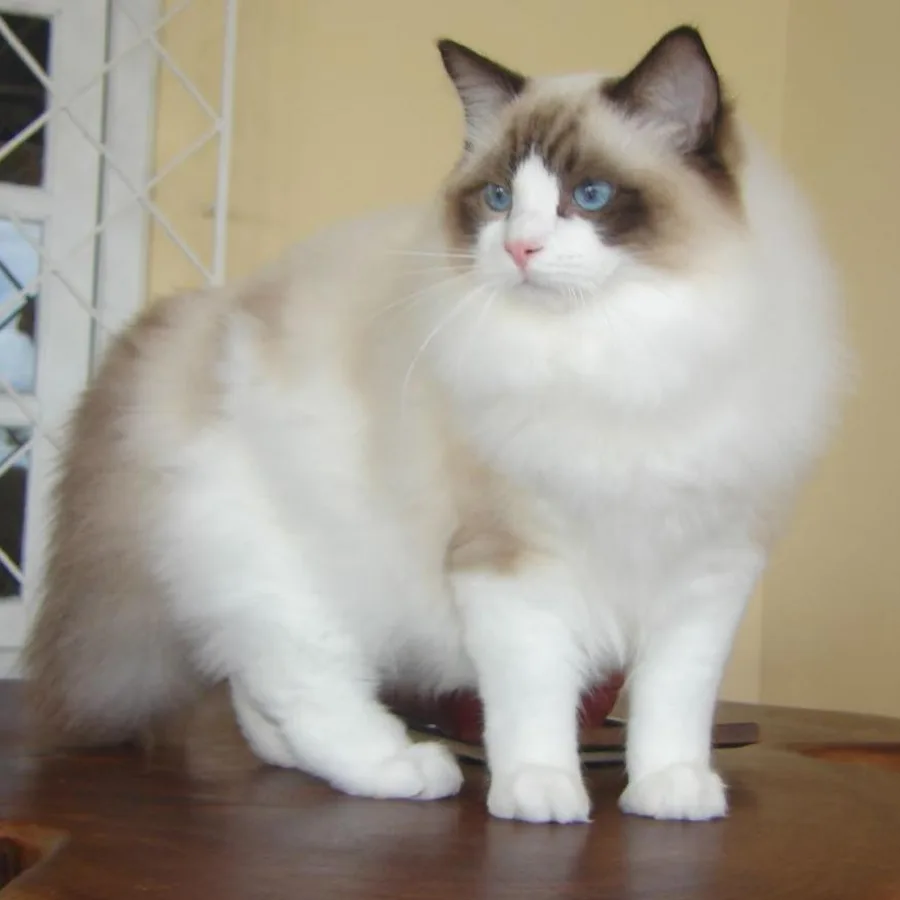
Famous for going limp and relaxed when picked up, a gentle giant breed developed in California in the 1960s.
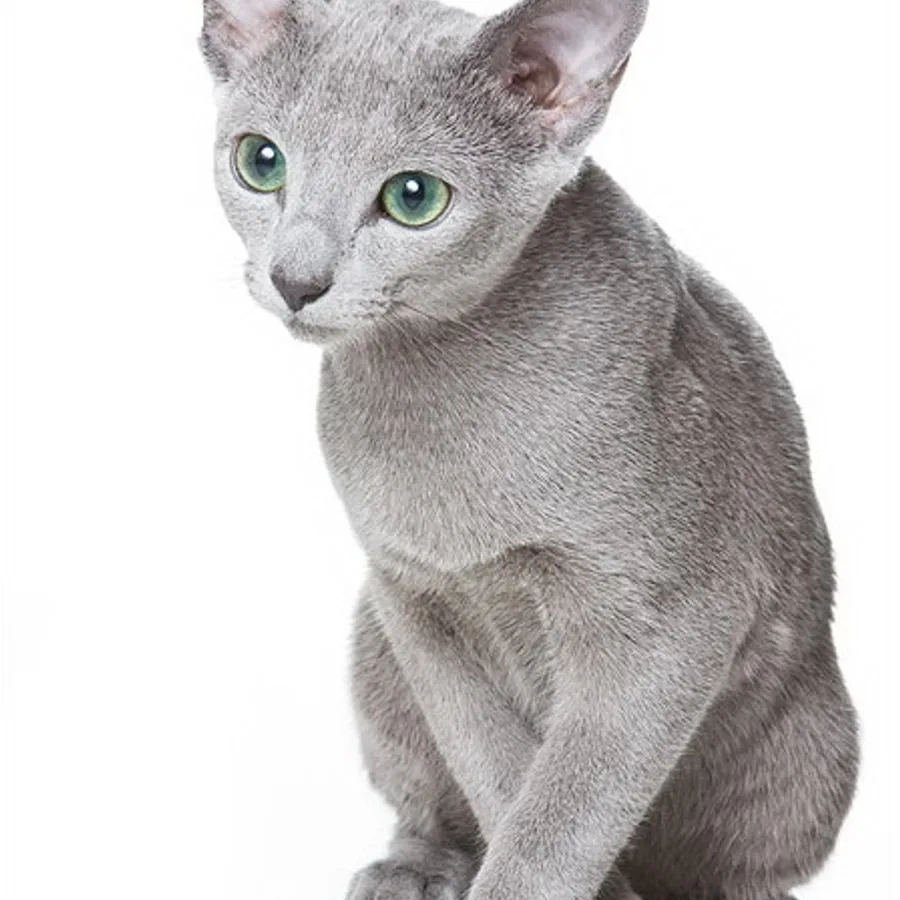
A refined breed from northern Russia known for its dense silvery-blue coat, emerald green eyes, and quiet, dignified nature.
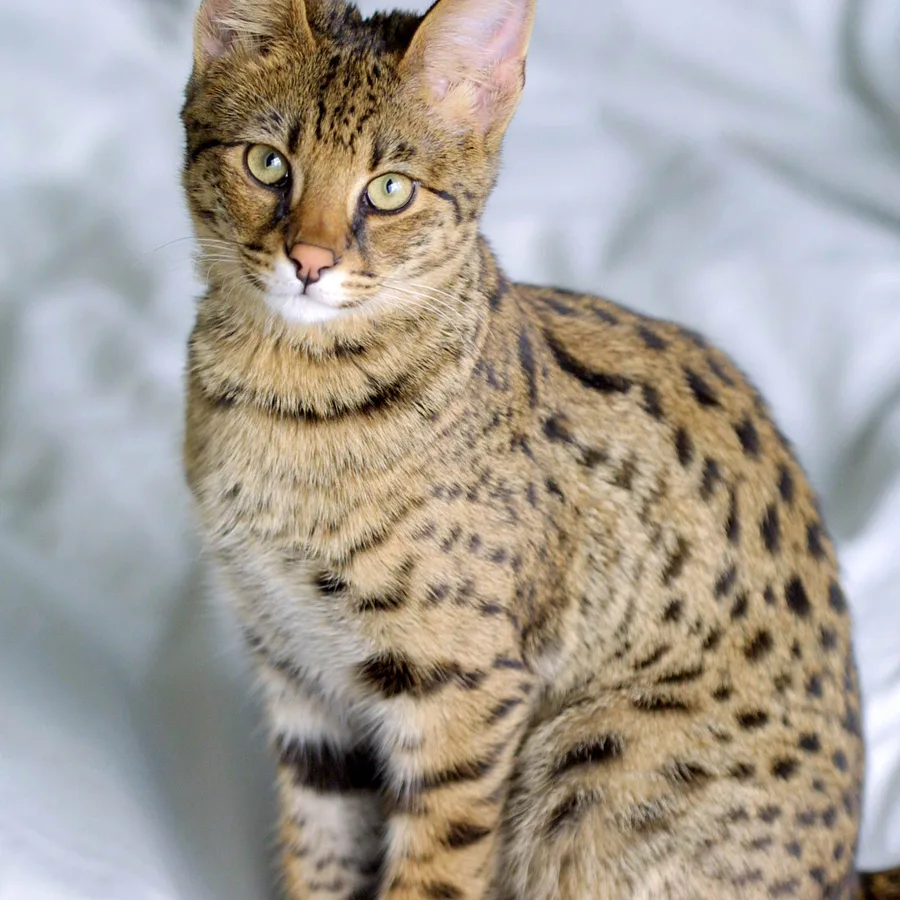
A striking hybrid of the wild African serval and domestic cat, prized for its towering height, long legs, and exotic spotted coat.
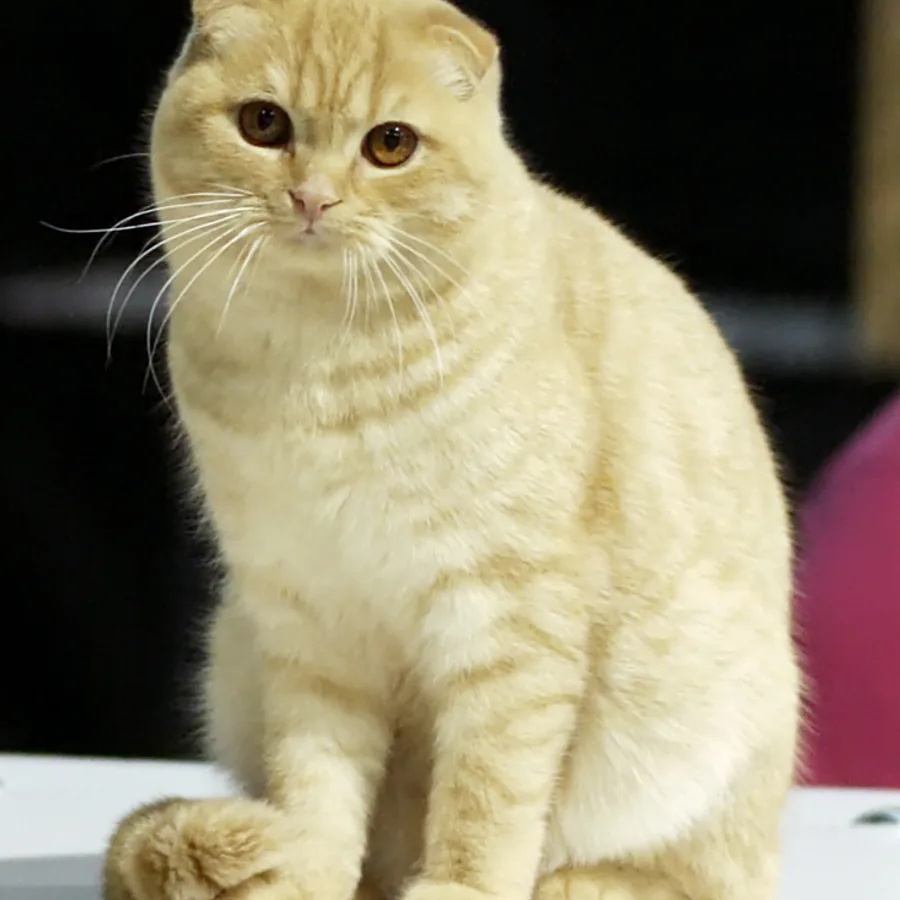
Famous for its folded ears and round, owl-like face, caused by a natural genetic mutation first found on a Scottish farm in 1961.
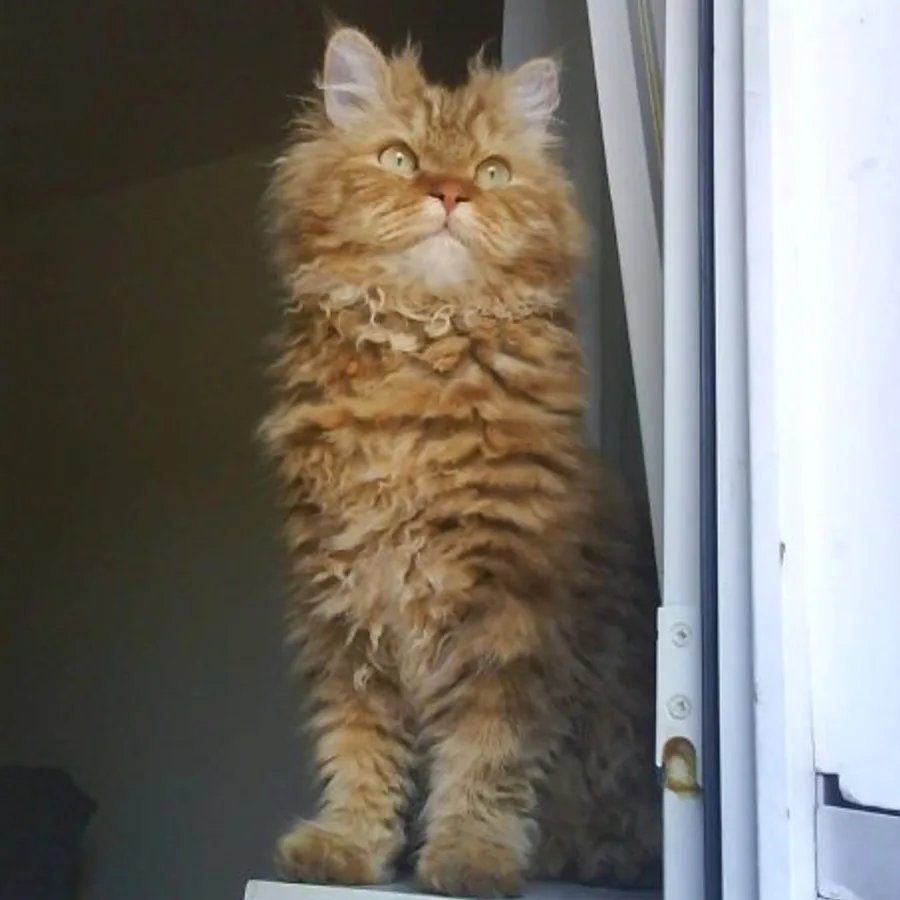
Nicknamed the cat in sheep's clothing for its loosely curled, teddy-bear coat, a mutation discovered in a Montana shelter litter in 1987.
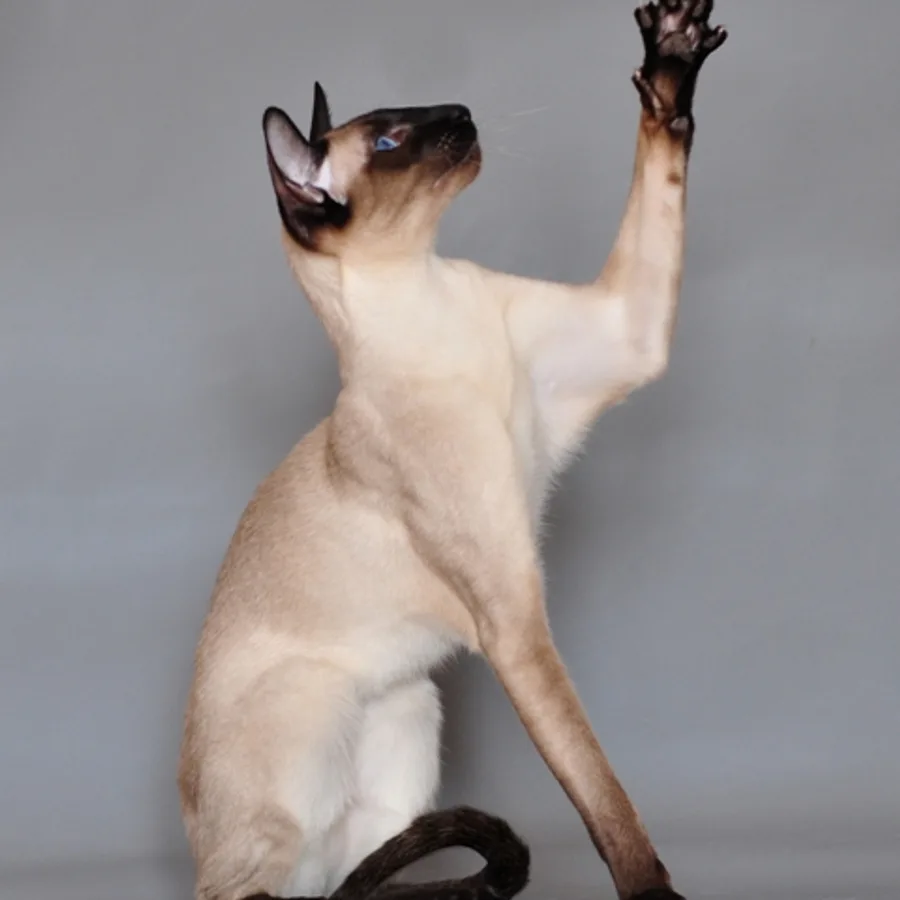
One of the most recognizable breeds in the world, prized for centuries in Thailand for its striking pointed coat and piercing blue eyes.
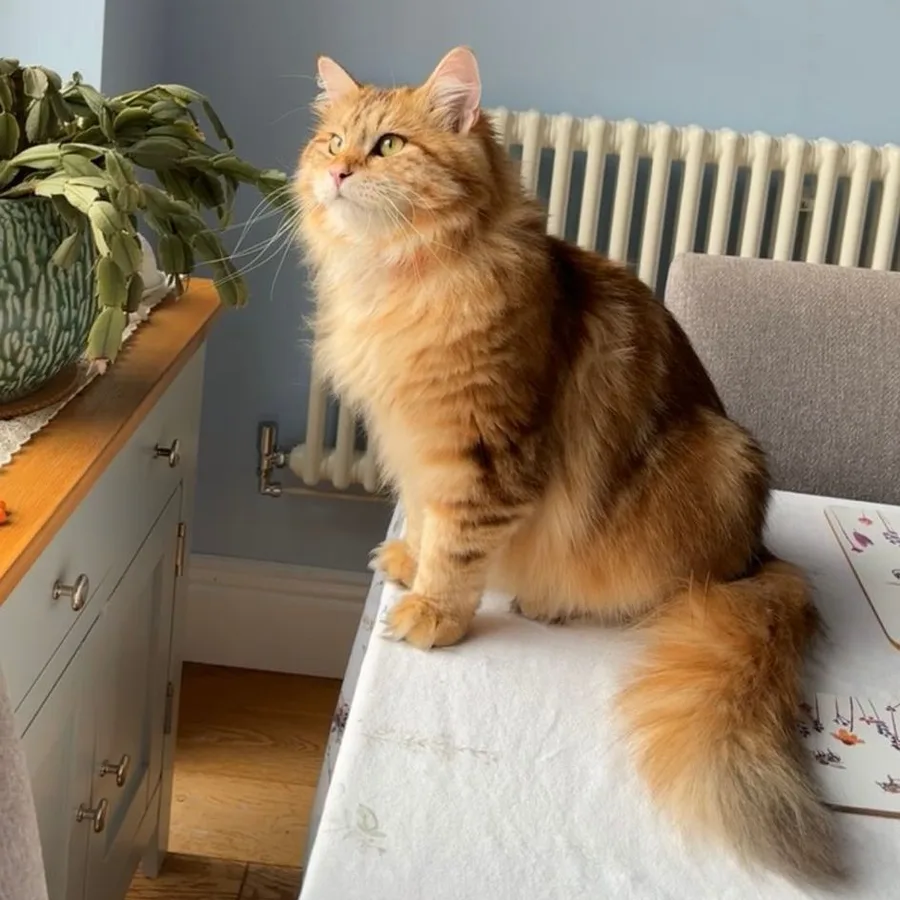
A hardy Russian breed built for brutal winters, part of Russian folklore for centuries before reaching the West in the 1990s.
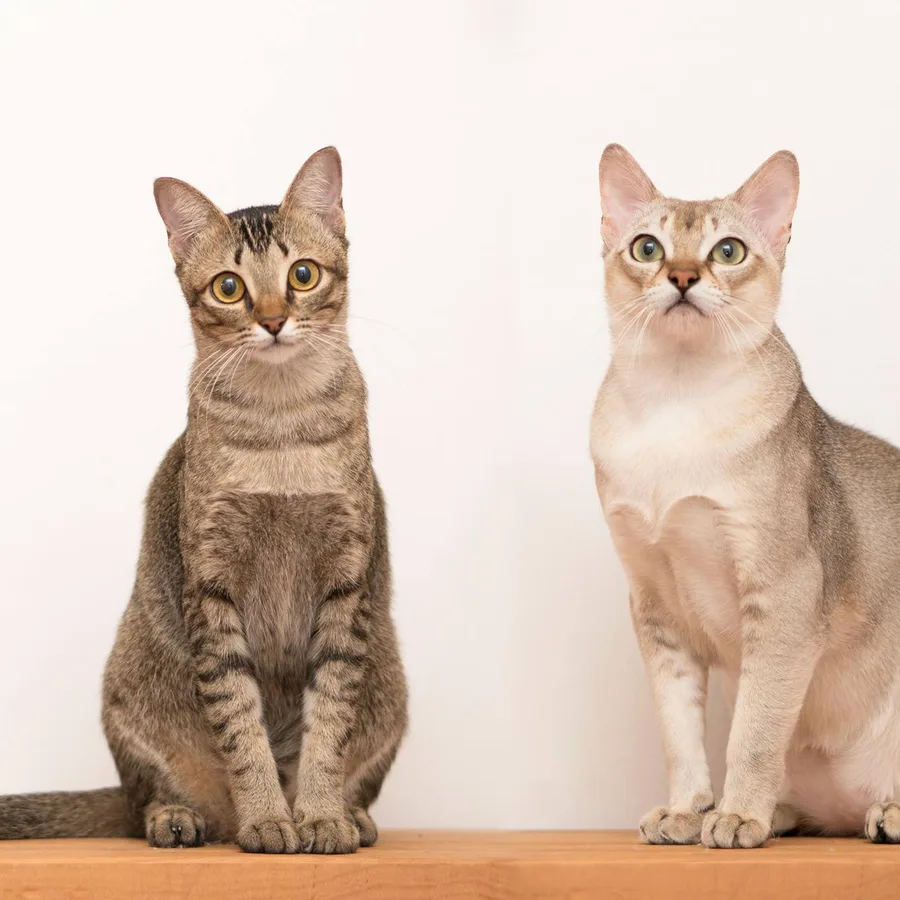
One of the smallest cat breeds in the world, native to the streets of Singapore and adopted as the country's mascot cat.
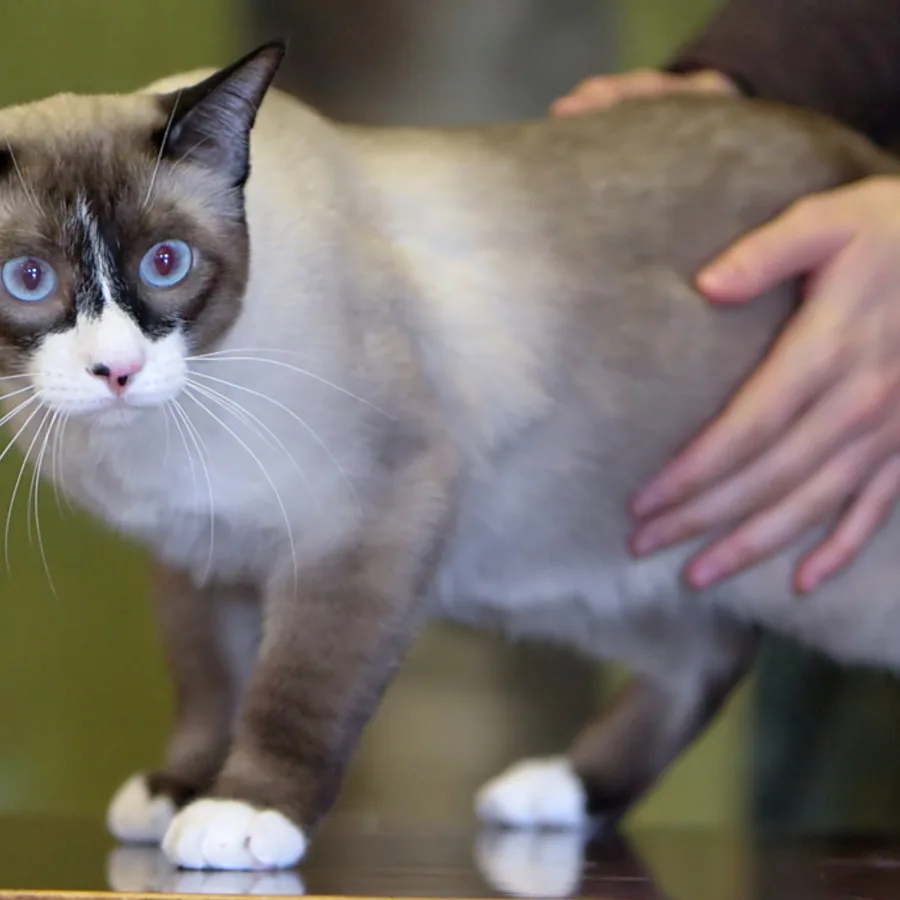
Named for its distinctive white boots, a breed developed in the 1960s by crossing Siamese with bicolor American Shorthairs.
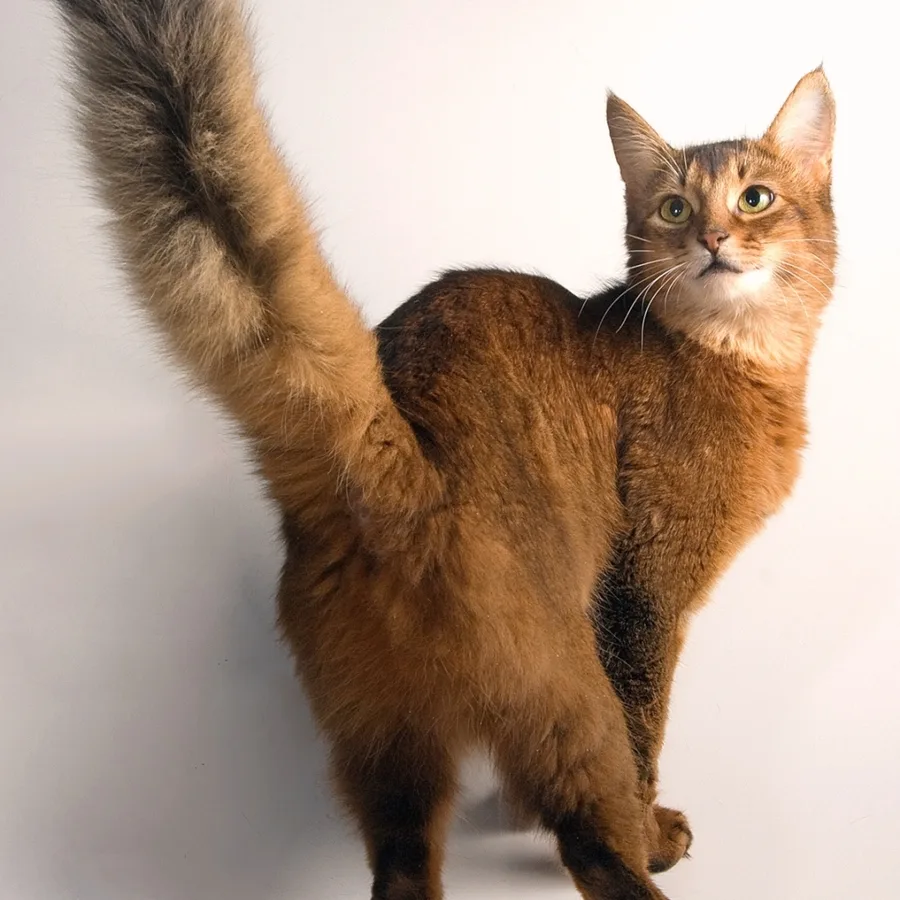
A long-haired Abyssinian with a fox-like bushy tail and a shimmering ticked coat that changes color in the light.
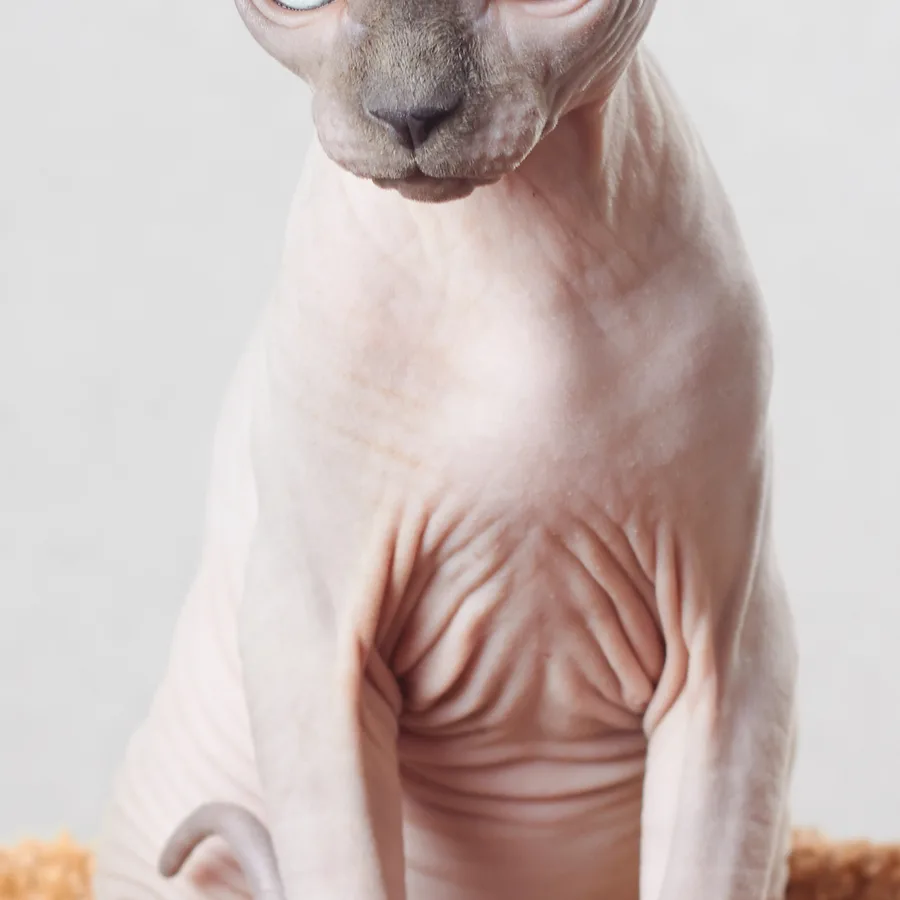
A hairless breed with warm, suede-like skin and an outsized, extroverted personality that craves attention.
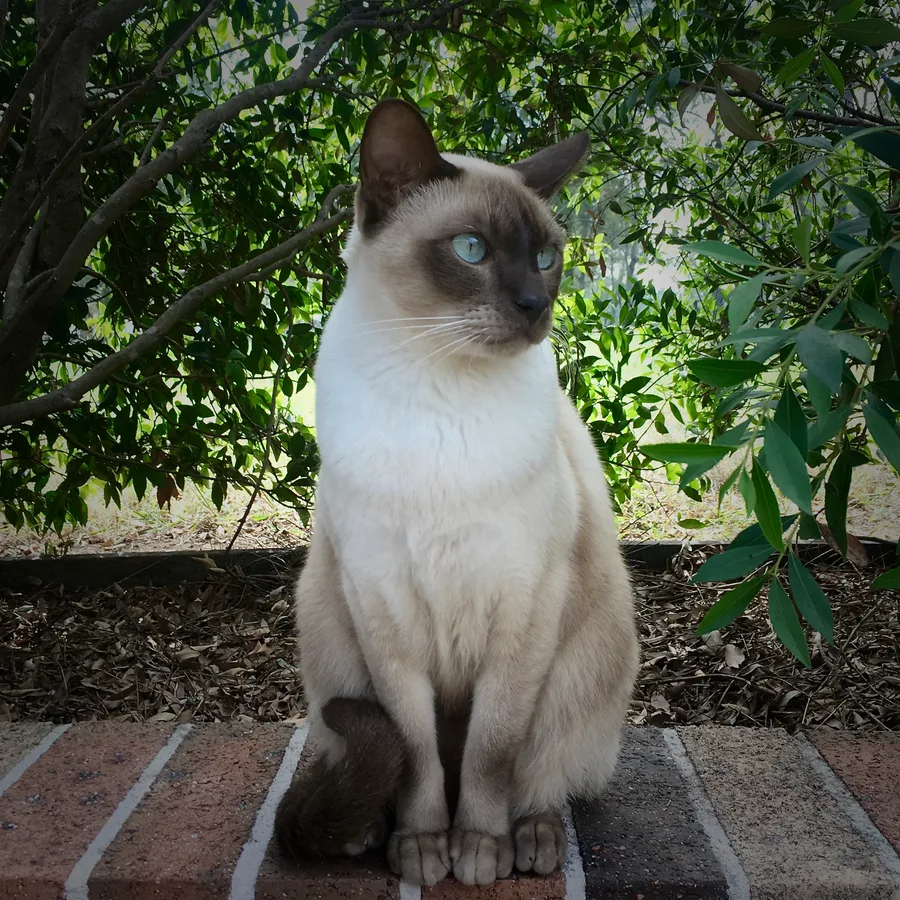
A cross between the Siamese and Burmese, combining Siamese vocal charm with Burmese softness and striking aqua eyes.
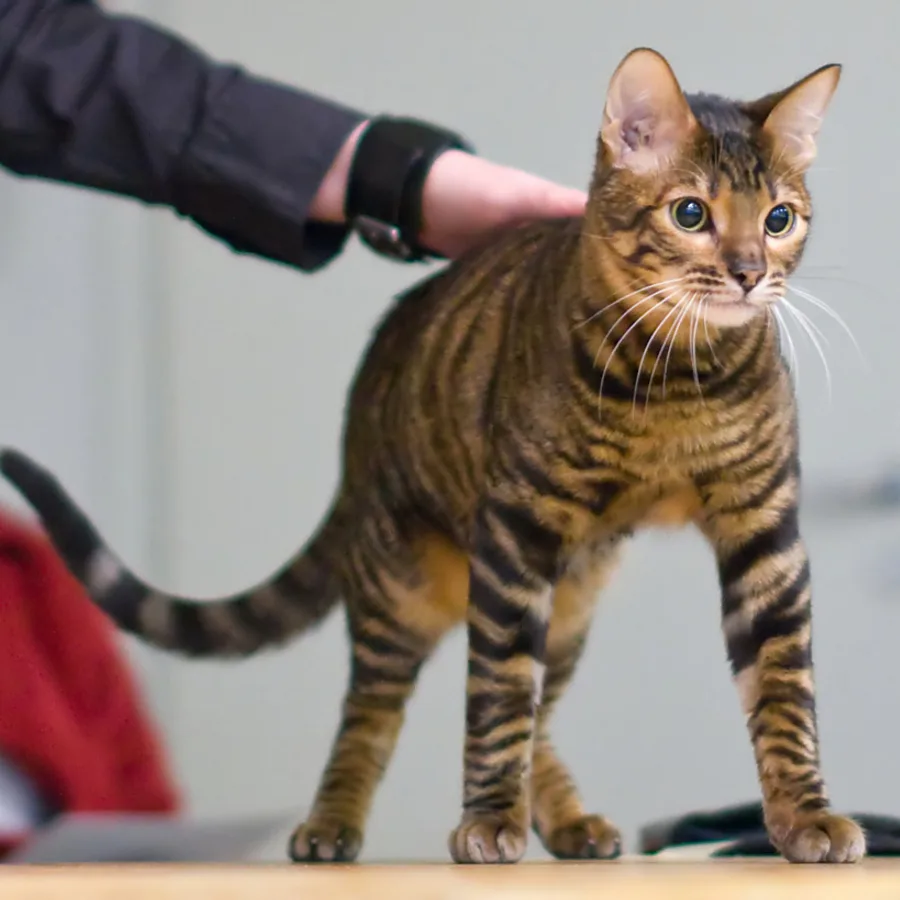
Selectively bred over decades to resemble a miniature tiger, right down to its bold striping, with no wild cat ancestry.
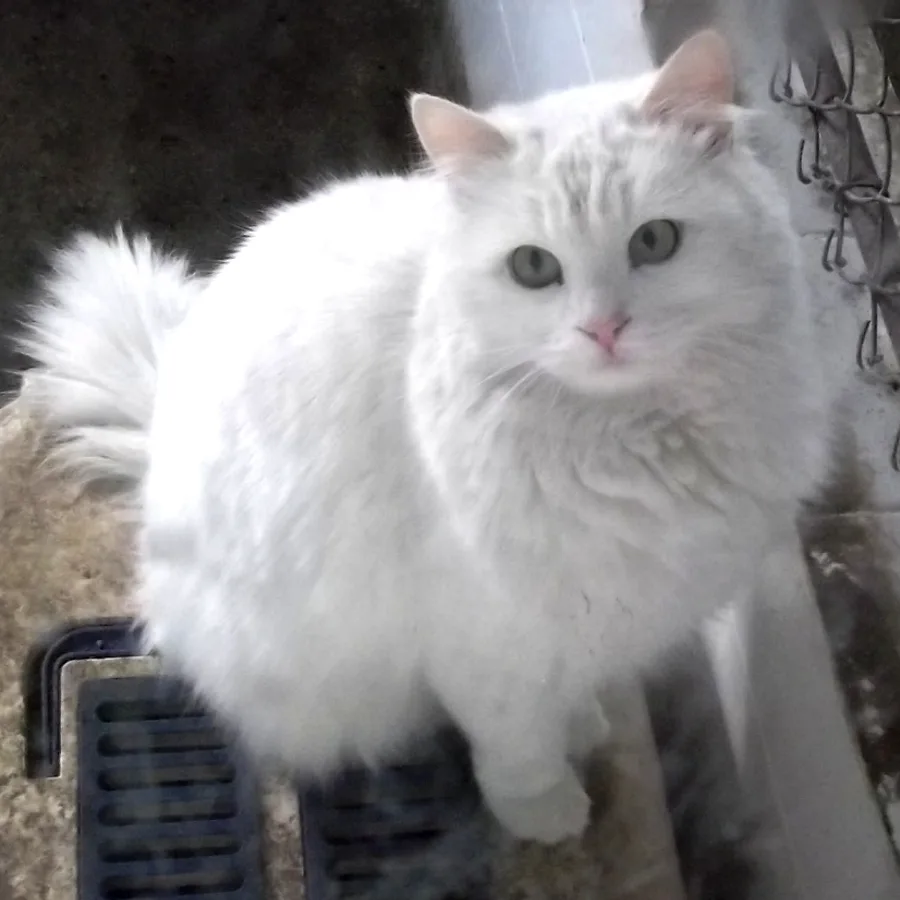
An ancient Turkish breed, often pure white with odd eyes, historically kept at the Ankara Zoo to protect the line from extinction.
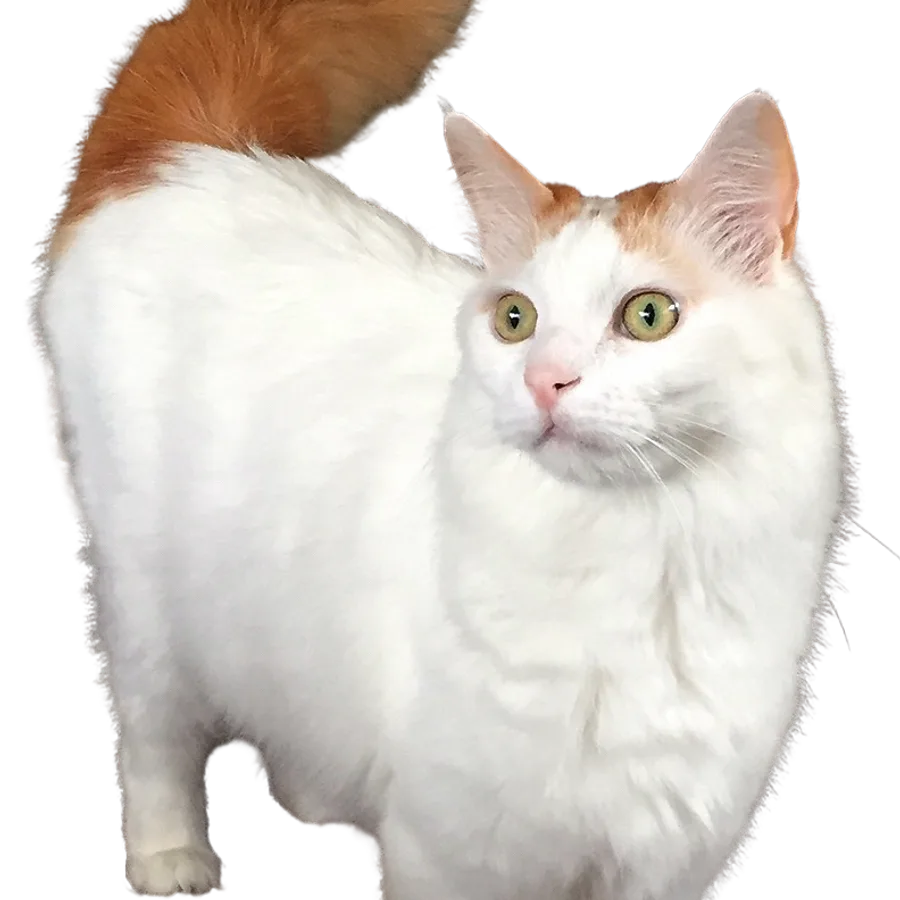
Nicknamed the swimming cat for its rare love of water, an ancient breed from the Lake Van region of Turkey.
A rare American breed originating in New York state in the 1980s, prized for its rich chocolate-brown coat.
It takes two minutes to start — and their spot on the wall is waiting.
Start now